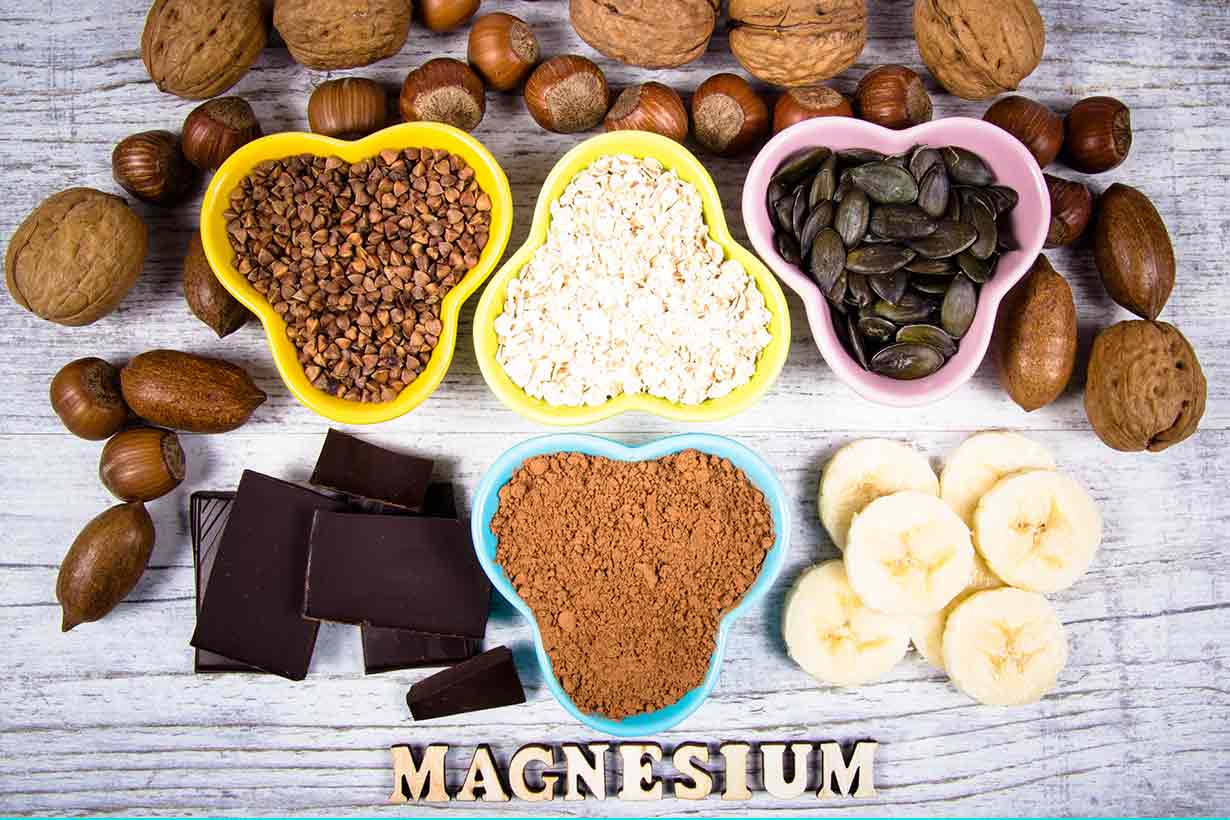
Magnesium is an essential mineral that has several important functions in the human body.
The recommended daily value for the mineral is 420 mg, which is based on a 2000-calorie diet. However, insufficient magnesium intake is highly prevalent, with an estimated 31% of people globally failing to meet dietary intake recommendations.
Despite this, a wide range of foods provide substantial amounts of dietary magnesium. In this guide, we’ll ensure you know 30 of the best options and their typical magnesium content per 100g and per common household measure.
For each food, we’ll also suggest a magnesium-rich food pairing to help boost total intake.
Table of contents
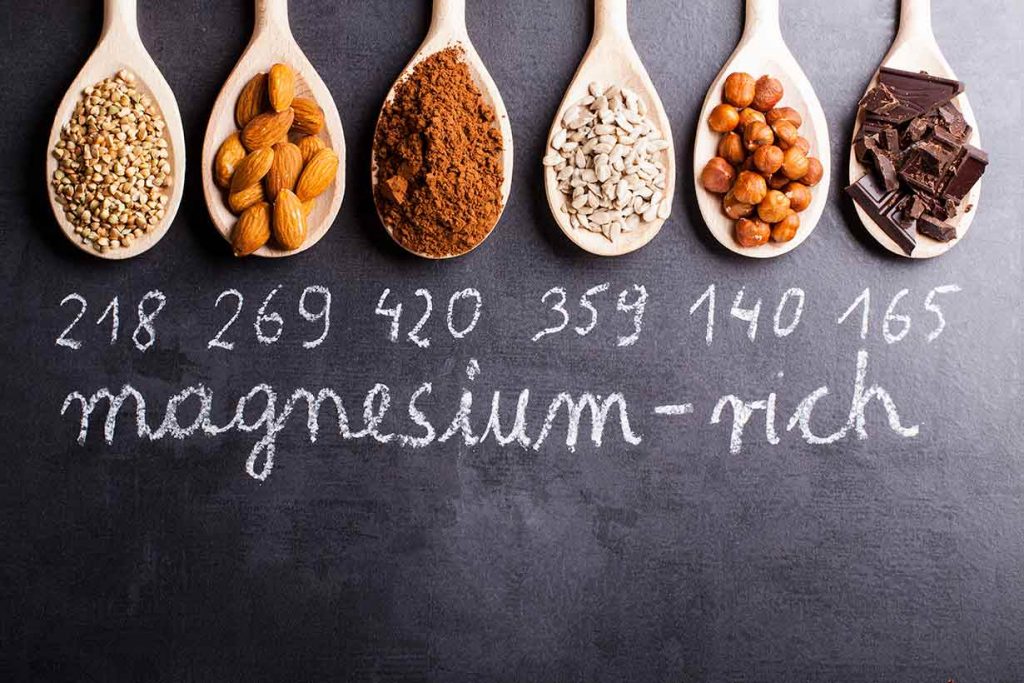
Magnesium-Rich Foods (Per 100g and Per Serving)
First, we’ll look at some of the best magnesium sources ranked in order of magnesium content per common household measure.
All nutritional data is sourced from the USDA’s FoodData Central database — we have calculated percent daily values (% DV) using the FDA’s published daily values.
1) Swiss Muesli (FAMILIA)
| Magnesium per 100g | Magnesium per 122g cup |
|---|---|
| 317 mg (75% DV) | 387 mg (92% DV) |
Containing a blend of magnesium-rich seeds, nuts, and whole grains, Familia Swiss muesli provides a significant 92% of the daily value per 122g cup.
Magnesium-rich pairing: Combine a bowl of Swiss muesli with some coconut milk.
Source: USDA – Cereals ready-to-eat, FAMILIA
2) Conch
| Magnesium per 100g | Magnesium per 127g cup |
|---|---|
| 238 mg (57% DV) | 302 mg (72% DV) |
Conch is a type of shellfish that provides 72% of the daily value per cup (sliced).
Magnesium-rich pairing: Serve with a side of sauteed spinach sprinkled with toasted sesame seeds.
Source: USDA – Mollusks, conch, baked or broiled
3) Hemp Seeds
| Magnesium per 100g | Magnesium per oz (28.35g) |
|---|---|
| 700 mg (167% DV) | 198.5 mg (47% DV) |
Hemp seeds provide more magnesium than other seeds, offering 47% of the daily value per ounce.
Magnesium-rich pairing: Mix with dark chocolate chips and cashew nuts.
Source: USDA – Seeds, hemp seed, hulled
4) Wheat Bran
| Magnesium per 100g | Magnesium per oz (28.35g) |
|---|---|
| 611 mg (145% DV) | 173 mg (41% DV) |
The bran of wheat is a concentrated source of essential nutrients and offers 41% of the daily value per ounce.
Magnesium-rich pairing: Mix a tablespoon of wheat bran into your oatmeal.
Source: USDA – Wheat bran, raw
5) Spinach
| Magnesium per 100g | Magnesium per 180g cup |
|---|---|
| 87 mg (21% DV) | 157 mg (37% DV) |
Spinach is among the most magnesium-rich leafy greens, with 37% of the daily value per cooked cup.
Magnesium-rich pairing: Serve alongside a fillet of Atlantic mackerel with some navy beans.
Source: USDA – Spinach, cooked, boiled, drained
6) Pumpkin Seeds
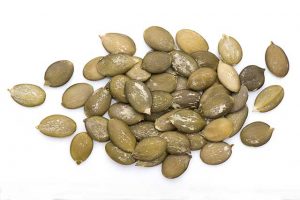
| Magnesium per 100g | Magnesium per oz (28.35g) |
|---|---|
| 550 mg (131% DV) | 156 mg (37% DV) |
Pumpkin seeds typically contain 37% of the daily value per ounce.
Magnesium-rich pairing: Mix with some Brazil nuts.
Source: USDA – Pumpkin seeds, unsalted
7) Whole-grain Yellow Cornmeal
| Magnesium per 100g | Magnesium per 122g cup |
|---|---|
| 127 mg (30% DV) | 155 mg (37%) |
Whole-grain yellow cornmeal provides approximately 37% of the daily value per cup.
Magnesium-rich food pairing: Make a spinach cornbread.
Source: USDA – Cornmeal, whole-grain, yellow
8) Swiss Chard
| Magnesium per 100g | Magnesium per 175g cup |
|---|---|
| 86 mg (20% DV) | 150 mg (36% DV) |
Swiss chard typically contains 36% of the daily value per 175g cup.
Magnesium-rich pairing: Serve alongside cooked soybeans with some conch.
Source: USDA – Chard, Swiss, cooked, boiled
9) Soybeans
| Magnesium per 100g | Magnesium per 172g cup |
|---|---|
| 86 mg (20% DV) | 148 mg (35% DV) |
Cooked mature soybeans provide 35% of the daily value per cup.
Magnesium-rich pairing: Mix into a curry or stew with leafy greens.
Source: USDA – Soybeans, mature cooked, boiled
10) Tofu (Firm)
| Magnesium per 100g | Magnesium per 252g cup |
|---|---|
| 58 mg (14% DV) | 146.2 mg (35% DV) |
Firm tofu provides more magnesium than softer (silken) varieties and offers 35% of the daily value per cup.
Magnesium-rich pairing: Top with a splash of soy sauce and sesame seeds.
Source: USDA – Tofu, raw, firm, prepared with calcium sulfate
11) Whelk
Whelk is a lesser-known mollusk shellfish that is high in magnesium. A cup serving provides 35% of the daily value.
| Magnesium per 100g | Magnesium per 3oz (85g) |
|---|---|
| 172 mg (41% DV) | 146 mg (35% DV) |
Magnesium-rich pairing: Serve alongside quinoa and sauteed beet greens.
Source: USDA – Mollusks, whelk, cooked, moist heat
12) Quinoa
| Magnesium per 100g | Magnesium per 185g cup |
|---|---|
| 64 mg (15% DV) | 118 mg (28% DV) |
Cooked quinoa offers 28% of the daily value per cup.
Magnesium-rich pairing: Stir-fry with edamame.
Source: USDA – Quinoa, cooked
13) Oats
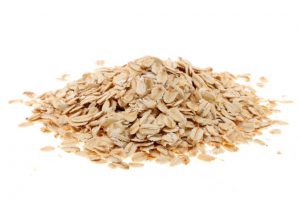
| Magnesium per 100g | Magnesium per 81g cup |
|---|---|
| 138 mg (33% DV) | 112 mg (27% DV) |
An 81g cup of raw oats, the ingredient for making oatmeal, provides 27% of the daily value.
Magnesium-rich pairing: Make oatmeal and top with berries, cashew nuts, and a sprinkle of cocoa.
Source: USDA – Cereals, oats, regular and quick
14) Brazil nuts
| Magnesium per 100g | Magnesium per oz (28.35g) |
|---|---|
| 376 mg (90% DV) | 107 mg (25% DV) |
Known for being the best dietary source of selenium, Brazil nuts are also rich in magnesium, offering 25% of the daily value per ounce.
Magnesium-rich pairing: Mix with cashew nuts and dark chocolate pieces.
Source: USDA – Nuts, Brazil nuts, dried
15) Coconut Milk
| Magnesium per 100g | Magnesium per 226g cup |
|---|---|
| 46 mg (11% DV) | 104 mg (25% DV) |
A cup of canned coconut milk typically provides 25% of the daily value.
Magnesium-rich pairing: Use in a curry with navy beans and spinach.
Source: USDA – Nuts, coconut milk, canned
16) Sesame seeds
| Magnesium per 100g | Magnesium per ounce (28.35g) |
|---|---|
| 356 mg (85% DV) | 101 mg (24% DV) |
An ounce serving of sesame seeds contains 24% of the daily value.
Magnesium-rich pairing: Saute spinach with a small amount of oil, soy sauce, and sesame seeds.
Source: USDA – Seeds, sesame seeds, whole, toasted
17) Edamame
| Magnesium per 100g | Magnesium per 160g cup |
|---|---|
| 62 mg (15% DV) | 99.2 mg (24% DV) |
Edamame, the name for green and fresh soybeans, provides 24% of the daily value per cooked cup.
Magnesium-rich pairing: Mix into brown rice or quinoa.
Source: USDA – Edamame, cooked
18) Beet Greens
| Magnesium per 100g | Magnesium per 144g cup |
|---|---|
| 68 mg (16% DV) | 97.9 mg (23% DV) |
Cooked beet greens offer 23% of the daily value per cup.
Magnesium-rich pairing: Serve alongside lima beans and fish.
Source: USDA – Beet greens, cooked, boiled
19) Navy Beans
| Magnesium per 100g | Magnesium per 182g cup |
|---|---|
| 53 mg (13% DV) | 96.5 mg (23% DV) |
Cooked navy beans provide 23% of the daily value per cup.
Magnesium-rich pairing: Mix into a stew with chunks of tofu.
Source: USDA – Beans, navy, mature seeds, boiled
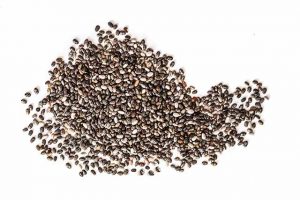
20) Chia seeds
| Magnesium per 100g | Magnesium per oz (28.35g) |
|---|---|
| 335 mg (80% DV) | 95 mg (23% DV) |
Chia seeds offer 23% of the daily value per ounce.
Magnesium-rich pairing: Try making a chia pudding with chia seeds and coconut milk.
Source: USDA – Seeds, chia seeds, dried
21) Wheat Germ
| Magnesium per 100g | Magnesium per oz (28.35g) |
|---|---|
| 320 mg (76% DV) | 90.7 mg (22% DV) |
An ounce of wheat germ provides 22% of the daily value.
Magnesium-rich pairing: Mix into a yogurt with chia seeds.
Source: USDA – Wheat germ, toasted, plain
22) Atlantic Mackerel
| Magnesium per 100g | Magnesium per 88g fillet |
|---|---|
| 97 mg (23% DV) | 85.4 mg (20% DV) |
An 88g fillet of cooked mackerel contains 20% of the daily value.
Magnesium-rich pairing: Serve with some beans and leafy greens.
Source: USDA – Fish, mackerel, Atlantic, cooked
23) Lima Beans
| Magnesium per 100g | Magnesium per 188g cup |
|---|---|
| 43 mg (10% DV) | 80.8 mg (19% DV) |
Cooked lima beans offer 19% of the daily value per cup.
Magnesium-rich pairing: Serve with seafood like conch, salmon, or whelk.
Source: USDA – Lima beans, mature seeds, boiled
24) Cashew Nuts
| Magnesium per 100g | Magnesium per oz (28.35g) |
|---|---|
| 260 mg (62% DV) | 73.7 mg (18% DV) |
Cashew nuts provide 18% of the daily value per ounce.
Magnesium-rich pairing: Serve on a snack plate with avocado pieces and a few pieces of dark chocolate.
Source: USDA – Nuts, cashew nuts, dry roasted
25) Flaxseed
| Magnesium per 100g | Magnesium per 10.3g tablespoon |
|---|---|
| 392 mg (93% DV) | 40.4 mg (10% DV) |
Flaxseed offers 10% of the daily value per tablespoon.
Magnesium-rich pairing: Mix into a stew containing navy beans and Swiss chard or spinach.
Source: USDA – Seeds, flaxseed
26) Whey Protein Isolate
| Magnesium per 100g | Magnesium per scoop (28.7g) |
|---|---|
| 233 mg (55% DV) | 57.4 mg (14% DV) |
A protein shake made from a 28.7-gram scoop of whey protein isolate provides 14% of the daily value.
Magnesium-rich pairing: Make a protein shake smoothie with berries and cocoa powder.
Source: USDA – Beverages, whey protein powder isolate
27) Oat bran
| Magnesium per 100g | Magnesium per oz (28.35g) |
|---|---|
| 235 mg (56% DV) | 67 mg (16% DV) |
Oat bran, which is produced from the concentrated bran layer of oats, provides 16% of the daily value per ounce.
Protein-rich pairing: Mix into oatmeal.
Source: USDA – Oat bran, raw
28) Dark Chocolate (70–85% cocoa)
| Magnesium per 100g | Magnesium per oz (28.35g) |
|---|---|
| 228 mg (54% DV) | 64.6 mg (15% DV) |
A dark chocolate bar that is approximately 70–85% cocoa solids by weight typically provides around 15% of the daily value per ounce.
Magnesium-rich pairing: Cut into small pieces and make a trail mix with nuts and seeds.
Source: USDA – Chocolate, dark, 70–85% cacao solids
29) Avocado
| Magnesium per 100g | Magnesium per 201g avocado |
|---|---|
| 29 mg (7% DV) | 58.3 mg (14% DV) |
A typical 201-gram avocado provides 14% of the daily value.
Magnesium-rich pairing: Make an avocado salad containing cheese, tofu, and salad vegetables.
Source: USDA – Avocados, raw, all commercial varieties
30) Cocoa, unsweetened

| Magnesium per 100g | Magnesium per tablespoon (5.4g) |
|---|---|
| 499 mg (119% DV) | 26.9 mg (6% DV) |
Pure cocoa powder is a highly concentrated source of magnesium, with each tablespoon offering 6% of the daily value.
Magnesium-rich pairing: Add some cocoa, nuts and seeds to your favorite yogurt.
Source: USDA – Cocoa, dry powder, unsweetened
Foods With the Most Magnesium Per Calorie
For individuals trying to increase magnesium intake for the fewest number of calories, magnesium-per-calorie is an important metric.
The table below shows the top ten foods from within this article that provide the most magnesium per 100 calories.
| Rank and food | Magnesium per 100 calories | Calories per 100g | Magnesium per 100g |
|---|---|---|---|
| 1. Swiss chard | 400 mg | 20 kcal | 86 mg |
| 2. Spinach | 378 mg | 23 kcal | 87 mg |
| 3. Wheat bran | 283 mg | 216 kcal | 611 mg |
| 4. Beet greens | 252 mg | 27 kcal | 68 mg |
| 5. Conch | 183 mg | 130 kcal | 238 mg |
| 6. Hemp seeds | 127 mg | 553 kcal | 700 mg |
| 7. Oat bran | 96 mg | 246 kcal | 235 mg |
| 8. Pumpkin seeds | 96 mg | 574 kcal | 550 mg |
| 9. Wheat germ | 84 mg | 382 kcal | 320 mg |
| 10. Swiss muesli | 82 mg | 388 kcal | 317 mg |
Calculation Note
We calculated the data in this table by:
- Retrieving the magnesium content of the food per 100g from the USDA database
- Dividing this figure by the number of calories the food provides per 100g
- Multiplying by 100 to calculate a ‘magnesium per 100 calories’ figure
As the table shows, conch, leafy greens, seeds, and grain products like muesli, oat bran and wheat germ tend to provide the highest magnesium levels per calorie.
Choosing the Right Magnesium Sources
By smartly using some of the food pairing ideas in this guide, you can significantly boost the magnesium content of a meal or snack.
While all the foods in this article are excellent sources of magnesium, it is important to incorporate foods you enjoy into your diet. Dietary habits become much easier to sustain if you enjoy the food you are eating.
In cases where people still find consuming sufficient magnesium from food difficult, then magnesium supplements are an alternative option.
You can learn more about the functions of magnesium and our requirements by age here.