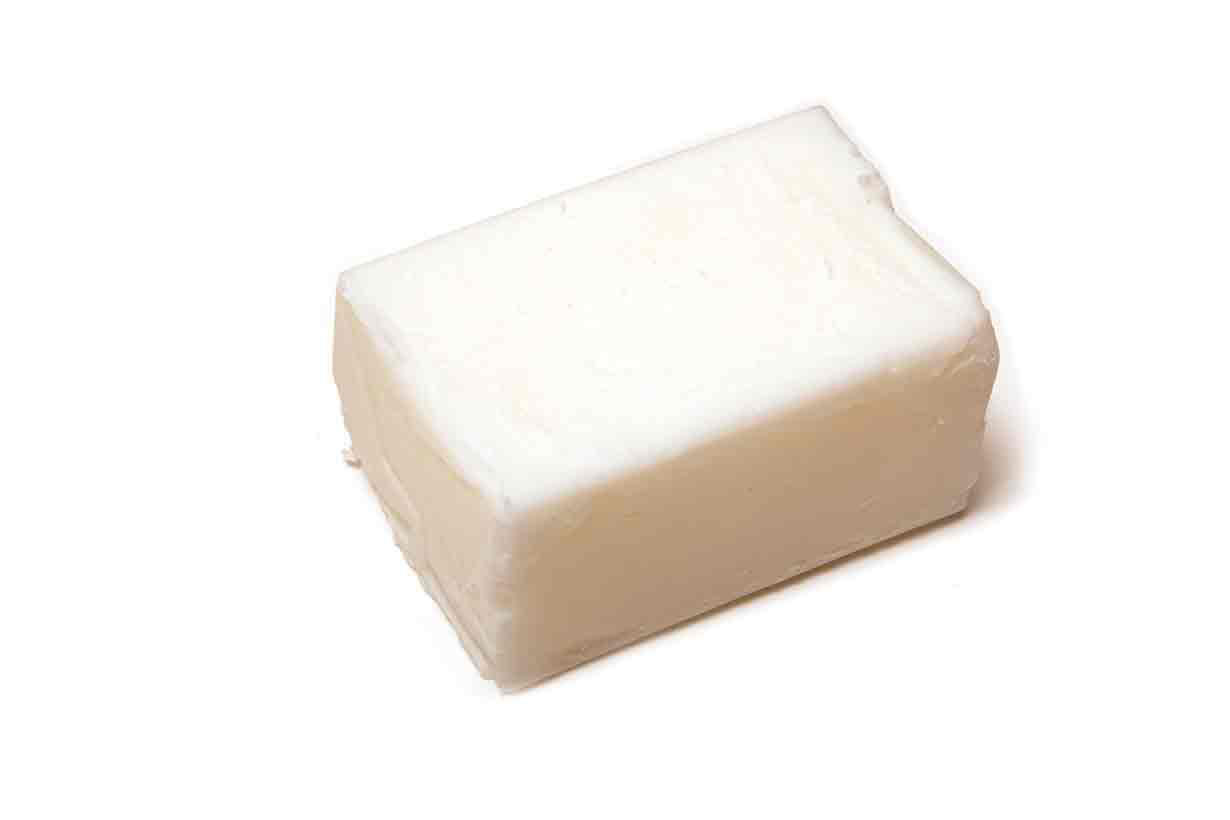
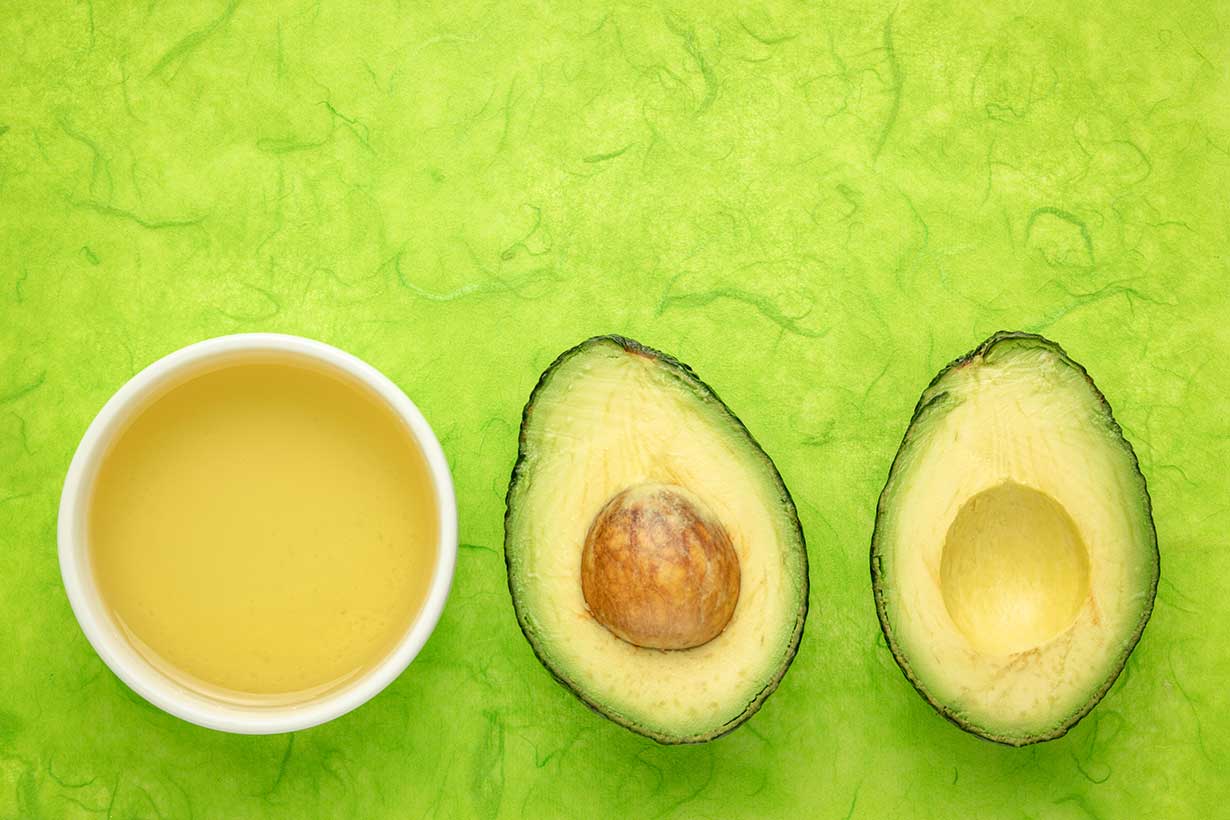
There are many types of cooking fats and oils, and you may wonder how they all compare nutritionally.
While all cooking oils are highly calorie-dense foods and primarily a source of fat, their total calorie content and precise ratio of saturated, monounsaturated, and polyunsaturated fats can all differ.
This guide provides you with this nutritional breakdown for 25 types of cooking fats, covering dairy and animal-based fats to vegetable oils, ensuring all the commonly used options are present.
The source of all nutritional data is the USDA’s FoodData Central Database for a tablespoon serving of each fat, with the grams per tablespoon based on USDA data.
This category includes dairy fats like butter and rendered animal fats, such as tallow.
1) Butter
Butter is a type of dairy fat that is high in saturated fat and popular for the flavor it adds to food. Palmitic acid is the most abundant fatty acid in butter.
Characteristics: Butter is primarily a source of saturated fat. It is prized for the flavor and textural properties it gives to foods like curries and baked goods.
Best for: As a spread, for baking, and for use in creamy curries.
Personal considerations: While not a significant source, butter does contain trace amounts of lactose. It is also very high in saturated fat; diets high in this fat can lead to rises in LDL cholesterol (commonly known as “bad cholesterol”).
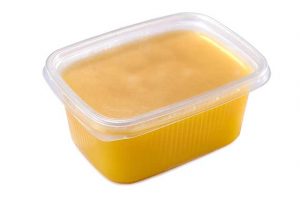
Ghee is a dairy fat made by simmering butter to remove the milk sugars and proteins present, as well as much of the water content. It is a highly saturated fat and palmitic acid is its predominant fatty acid.
Characteristics: Ghee has a similar fatty acid profile to butter. However, since it lacks butter’s milk sugars and proteins, it will not burn as quickly at high heat.
Best for: Flavoring dishes like curries and a more heat-stable alternative to butter for high-heat cooking.
Personal considerations: Ghee contains large amounts of saturated fat, and it is significantly more expensive than butter.
Goose fat is often marketed for its ability to enhance the flavor of food.
It is primarily a source of monounsaturated fat, with oleic acid being its most abundant fatty acid. However, like all animal fats, it is still relatively high in saturated fat.
Characteristics: Goose fat is a semi-solid animal fat often used to give food a crispy texture.
Best for: Pan-roasting vegetables – it is particularly popular for roasting starchy vegetables like potatoes and root vegetables.
Personal considerations: Goose fat costs a little more than other animal fats like lard and tallow. It also contains slightly lower amounts of saturated fat.
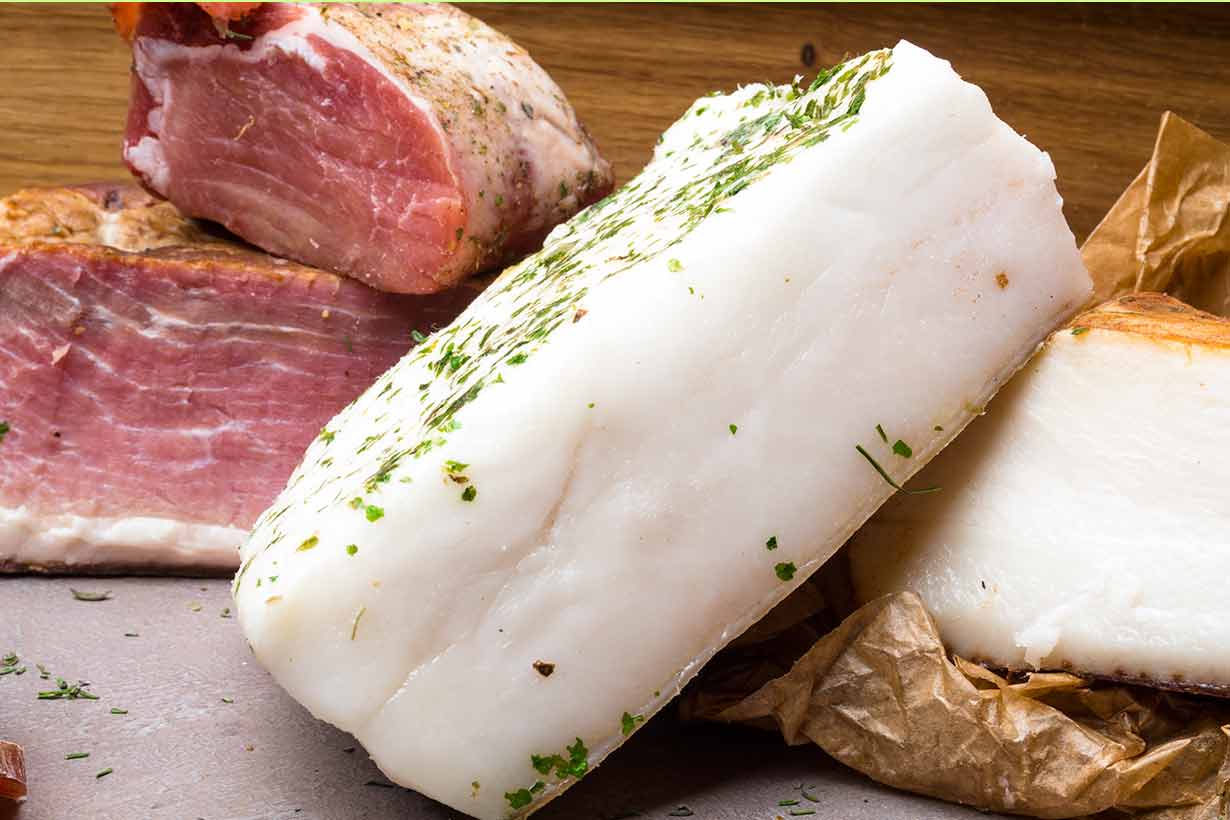
Tallow is the culinary name for beef fat, which is also known as beef dripping in some countries.
It is mainly a source of saturated fat, while still providing a high level of monounsaturated fat. Tallow’s predominant fatty acids are oleic acid and palmitic acid.
Characteristics: Tallow imparts a somewhat meaty flavor to food. It is sometimes used for cooking fries due to its flavor-enhancing properties.
Best for: Frying, pan-frying, roasting.
Personal considerations: Tallow is high in saturated fat. While it is cheaper than premium cooking oils like extra virgin olive oil, it is more expensive than lard.
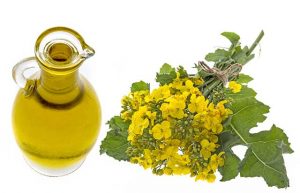
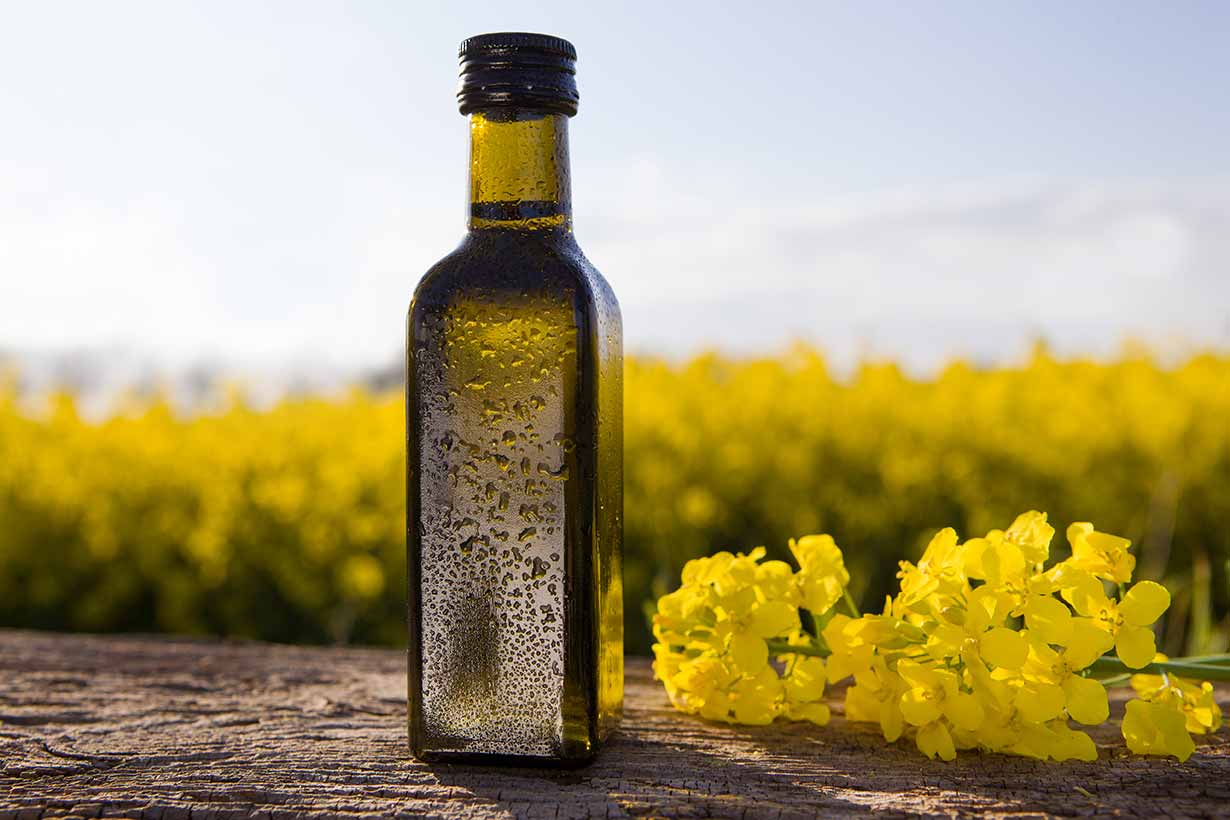
Canola oil is also known as rapeseed oil and it’s primarily a source of monounsaturated fatty acids, with oleic acid being the predominant fatty acid it contains.
Also known as maize oil, corn oil comes from the maize germ. As a seed-extracted oil, corn oil is predominantly a source of an omega-6 polyunsaturated fatty acid called linoleic acid.
Characteristics: High in polyunsaturated fat with a neutral taste.
Best for: Pan-frying.
Personal considerations: Corn oil is low in saturated fat and research shows that it lowers LDL-C levels compared to coconut oil in adults with elevated cholesterol. Corn oil is one of the cheapest available cooking oils.
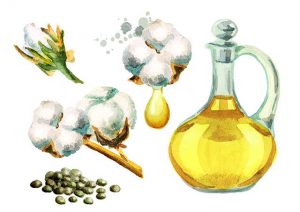
9) Cottonseed Oil
Cottonseed oil is often used in ultra-processed foods, but it can also be bought as an oil. It is primarily a source of polyunsaturated fat, with linoleic acid being the most abundant fatty acid.
Characteristics: Cottonseed oil has a neutral flavor and has little impact on the flavor of foods.
Best for: Pan-frying.
Personal considerations: Cottonseed oil is significantly more affordable than oils like avocado, coconut, and olive oil.
10) Extra Virgin Olive Oil
Extra virgin olive oil is often associated with the Mediterranean diet, and it is primarily a monounsaturated fat made from first-pressed olive oil. Its predominant fatty acid is oleic acid.
Based on USDA data for olive oil, a 14g tablespoon serving would provide:
Characteristics: Extra virgin olive oil imparts a stronger olive-like taste to food than regular or more refined olive oil.
Best for: Marinades, pan-frying, salads, stir-frying.
Personal considerations: Extra virgin olive oil tends to be one of the most expensive cooking oils. Additionally, there have been some cases of products fraudulently claiming to be genuine extra virgin olive oil. See this guide to trustworthy olive oil brands for more information.
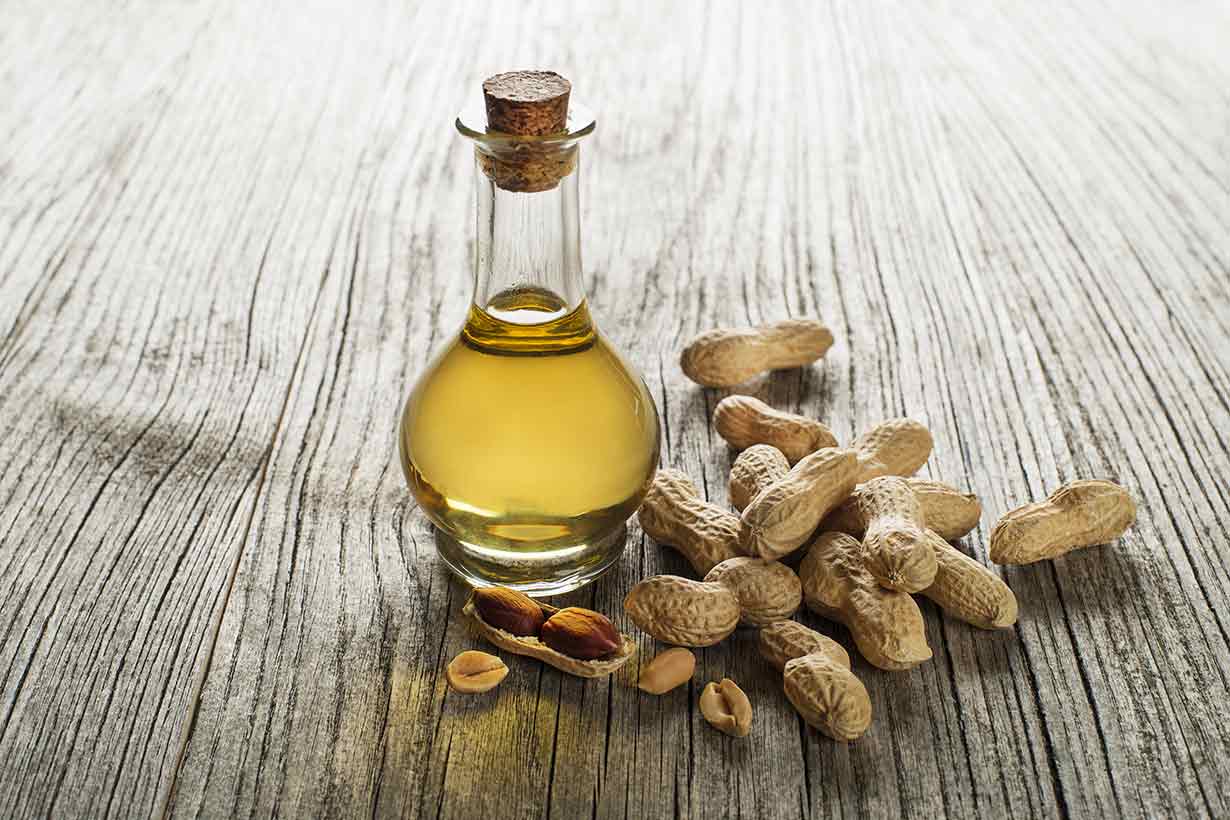
First-pressed peanut oil has a slightly nutty flavor, whereas refined peanut oil has a more neutral flavor. It is high in monounsaturated fat, with its predominant fatty acid being oleic acid.
Characteristics: Virgin peanut oils can impart a stronger nutty flavor to food that some people enjoy.
Best for: Frying, pan-frying, stir-frying, roasting.
Personal considerations: Peanut allergens are proteins, which shouldn’t be present in refined peanut oil. However, some may be present in cold-pressed oils. Individuals with peanut allergy should consult their healthcare provider.
Unlike extra virgin olive oil, refined olive oils use solvents, such as hexane, to extract oil from the leftover pulp after extra virgin olive oil’s extraction. You may see refined olive oils labeled as ‘light’ or ‘pomace’ olive oil.
While these oils aren’t as high in polyphenols as extra virgin olive oil, they basically have the same fat composition, being a rich source of monounsaturated oleic acid.
Characteristics: Refined olive oils have a lighter, more neutral taste than extra virgin olive oil. Refined olive oils offer a similar fat profile to extra virgin olive oil for a lower price.
Best for: Frying, pan-frying, roasting, stir-frying.
Personal considerations: Refined olive oils provide a similar fat composition to extra virgin olive oil for a lower price.
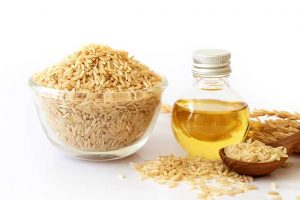
15) Rice Bran Oil
Rice bran oil production extracts oil from the outer shell of brown rice, otherwise known as the ‘husk.’ This oil is high in monounsaturated and polyunsaturated fat, with the predominant fatty acids being oleic and linoleic acid.
Characteristics: Rice bran oil has a mild flavor that makes it quite a neutral choice for cooking.
Best for: Pan-frying.
Personal considerations: Rice bran oil doesn’t overly influence the flavor of dishes it’s used in.
16) Safflower Oil
Safflower oil is commonly found in industrial food production, but it can be bought for home use. It is primarily a source of polyunsaturated fats, with the most abundant fat being linoleic acid.
Characteristics: While regular safflower oil is high in polyunsaturated fat, high-oleic versions are available that are mainly a source of monounsaturated fat. These varieties are better suited for high-heat cooking methods.
Best for: Pan-frying.
Personal considerations: Safflower oil is relatively cheap and low in saturated fat.
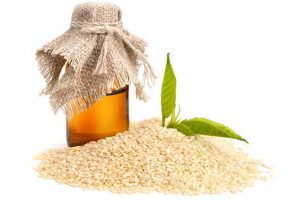
17) Sesame Oil
Sesame oil is often used as a condiment for its flavor-enhancing properties. It is primarily a source of polyunsaturated fats, predominantly linoleic acid.
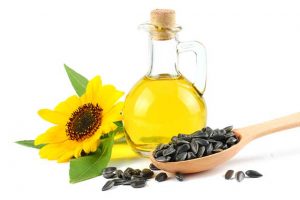
Produced from the edible seeds of the sunflower plant, sunflower oil is primarily a source of polyunsaturated fat. However, high-oleic varieties of sunflower oil are also available for their higher heat stability.
Characteristics: Cocoa butter has a smooth and creamy mouthfeel.
Best for: Homemade desserts and chocolates.
Personal considerations: Cocoa butter contains a high amount of stearic acid. Despite being a saturated fatty acid, stearic acid has a relatively neutral impact on LDL-C. However, cocoa butter also contains other saturated fats, like palmitic acid, and raises LDL-C more than liquid vegetable oils.
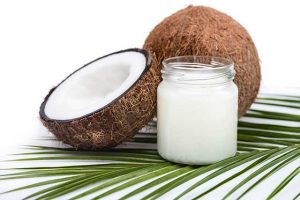
As a long-time staple fat in tropical regions, coconut oil is now consumed globally. It is primarily a source of saturated fat, with lauric acid being its most prevalent fatty acid.
Characteristics: Coconut oil does have a strong taste that can influence the flavor of a dish. This is especially true for extra virgin varieties, which impart a mild coconutty taste.
Best for: Frying, pan-frying, roasting, stir-frying.
While margarine used to contain trans fats, most modern margarine no longer does. However, its exact nutritional properties depend on the blend of vegetable oils used to make it.
However, here’s the typical nutritional composition of a 14g tablespoon of margarine:
Characteristics: Margarine is typically either a plant-based or plant and dairy-based product designed as an alternative to butter.
Best for: As a spread and for baking.
Personal considerations: Butter is widely considered to taste better than margarine. Margarine contains fewer calories and a lower fat (total and saturated) content than butter.
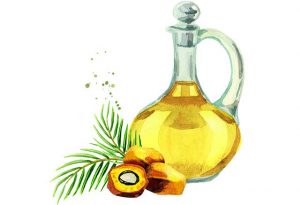
23) Palm Oil
Palm oil is one of the biggest fat sources in global diets due to its significant production levels and widespread use in the food industry.
It is primarily a source of saturated fats, with palmitic acid being its predominant fatty acid.
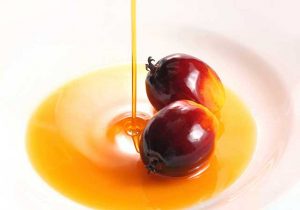
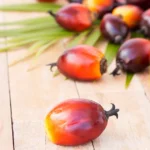
Red palm oil is an unrefined fat pressed from the flesh of palm fruit. Like the fruit’s pulp, it has an orange-to-red pigment. It is high in saturated and monounsaturated fat.
USDA data shows that a 15-ml tablespoon of red palm oil contains:
Characteristics: Red palm oil is semi-solid and is full of carotenoids that give the oil its deep orange-to-red color.
Best for: Pan-frying, stir-frying, roasting.
Personal considerations: Red palm oil is high in saturated fat. It also influences food’s color and taste due to its strong color and flavor.
25) Vegetable Shortening
Vegetable shortening gained popularity in the early 20th century when it was marketed as a healthier alternative to animal fats. However, it contained trans fats (partially hydrogenated vegetable oil) at that time, which were subsequently found to have health drawbacks.
Modern vegetable shortening typically doesn’t contain trans fats, though its composition can vary depending on the oils it’s made from.
Here is the typical composition of a 12.8g tablespoon of shortening made with soybean and palm oil:
Characteristics: Shortening is a semi-solid to solid fat that has a neutral flavor.
Best for: Baking.
Personal considerations: Shortening can be high in saturated fat, depending on the palm oil content.
Comparison Table: Which Oils Are High in Which Fats?
To help you understand the fat composition of each oil, the following table provides this information for you at a glance.
For each fat, we have rated its saturated, monounsaturated, and polyunsaturated fat content as either ‘high,’ ‘medium,’ or ‘low.’
We have defined these classifications as follows:
High: >30% of total fat content
Medium: 15-29% of total fat content
Low: <15% of total fat content
Cooking Oil/Fat
Saturated fat
Monounsaturated fat
Polyunsaturated fat
Avocado oil
Low
High
Low
Butter
High
Medium
Low
Canola oil
Low
High
Medium
Cocoa butter
High
High
Low
Coconut oil
High
Low
Low
Corn oil
Low
Medium
High
Cottonseed oil
Medium
Medium
High
Extra virgin olive oil
Medium
High
Low
Ghee
High
High
Low
Goose fat
Medium
High
Low
Grapeseed oil
Low
Medium
High
Lard
High
High
Low
Macadamia nut oil
Low
High
Low
Margarine1
Medium
High
High
Palm oil
High
High
Low
Peanut oil
Medium
High
Medium
Red palm oil
High
High
Low
Refined olive oils
Medium
High
Low
Rice bran oil
Medium
High
High
Safflower oil
Low
Medium
High
Sesame oil
Low
High
High
Soybean oil
Medium
Medium
High
Sunflower oil
Low
Medium
High
Tallow
High
High
Low
Vegetable shortening1
Medium
High
High
Table 1: The fat composition of common cooking fats and oils categorized by saturated, monounsaturated, and polyunsaturated fat content. 1) Margarine and vegetable shortening can differ depending on the fats they are made from; they are rated as ‘medium’ in saturated fat in the table based on containing a blend of liquid vegetable oil and palm oil.
Nutritionist’s Note
While the above table is accurate for regular varieties of cooking oil, please remember that high-oleic versions of oils like safflower, soybean, and sunflower oil exist.
These high-oleic oils are high in monounsaturated fat rather than polyunsaturated fat.
As mentioned in the footnote, it is also worth noting that margarine and shortening can significantly differ nutritionally based on the oils they’re made from. If palm oil is the predominant ingredient, they will be higher in saturated fat.
Which Is the “Best” Cooking Oil For You?
The answer to the question of which oil is best depends on the context, and what you prioritize in an oil.
Affordability: Common vegetable oils such as canola, safflower, soybean, and grapeseed oil are all on the cheaper end of the scale. As is the animal fat lard.
Heat stability: Saturated fats and monounsaturated fats typically display better oxidative stability during high heat cooking over long durations. In this regard, animal fats, olive oil, avocado oil, and high-oleic varieties of vegetable oils may be better options for longer frying durations.
Saturated fat content: While saturated fats are quite heat stable, they also tend to raise LDL-C levels. Individuals trying to control or lower their cholesterol levels may prefer cooking oils low in saturated fat. Note: Please consult a healthcare provider for personalized health advice.
Health effects: If we focus on the overall profile of cooking fats, then extra virgin olive oil is among the most extensively studied. Systematic reviews of clinical trials have shown extra virgin olive oil may offer health benefits, potentially due to the polyphenols it contains and its high monounsaturated fat content.
Michael works as a nutritionist in a community setting and holds a Master's degree in Clinical Nutrition. He is a Registered Associate Nutritionist (ANutr) with the Association for Nutrition (AfN), and has published peer-reviewed research.