With the ongoing popularity of low-carb and ketogenic diets, Swerve sweetener is a sugar substitute that claims to be zero-calorie and free of artificial flavors, colors, and preservatives.
This product is also marketed as a simple 1:1 replacement for regular sugar.
There are a vast number of sweeteners on the market, but is Swerve a suitable and—more importantly—safe choice?
Note: We have no affiliation with the Swerve product or the company who produces it, and we have no incentive, financial or otherwise, to have any specific opinion on the product.
Table of contents
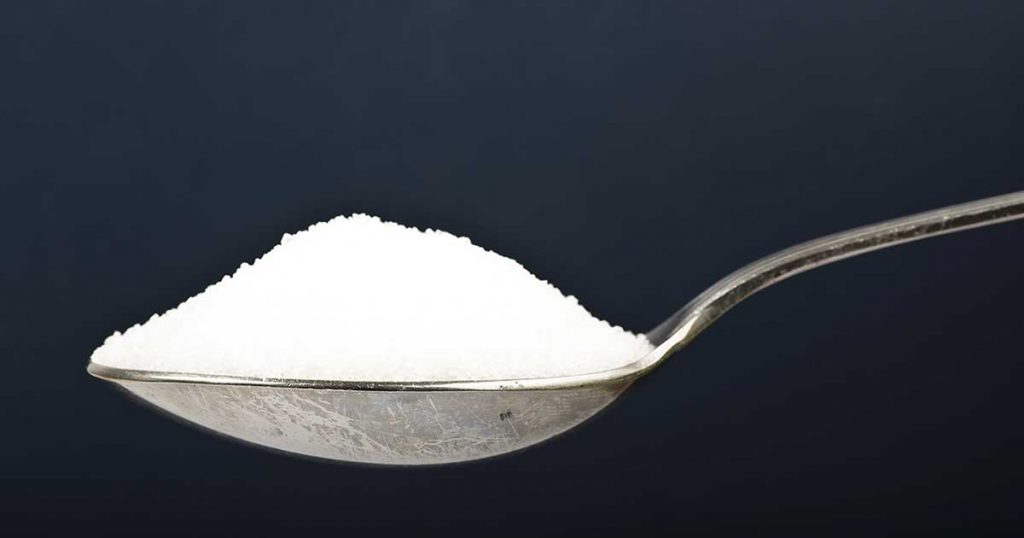
What Is Swerve Sweetener?
Swerve is a sweetener brand that is a subsidiary of the Whole Earth Brands company following its acquisition in 2020.
Swerve is a zero-calorie and non-glycemic sweetener, which means that it doesn’t digest into glucose and raise blood sugar levels. For this reason, it has gained popularity with those following low-carb and ketogenic diets.
Among its many uses, people tend to use Swerve as an alternative to sugar in baking recipes and for sweetening drinks like tea and coffee.
Swerve is marketed for its lack of calories and sugars, with the company who makes it describing the product as follows:
“This delicious, versatile sweetener measures like sugar with zero calories and 0g sugar per serving.”
The original Swerve is a granulated product based around erythritol as the primary ingredient. Granulated products have a similar texture to regular table sugar.
However, there is now a product range which includes ‘confectioners’ Swerve, a ‘brown’ variety, and one variety that contains only Allulose sweetener.
For the purpose of this article, we will focus on the original Swerve ‘granular’ product.
Key point: Swerve is a non-glycemic sweetener that doesn’t appear to raise blood sugar levels, unlike regular sugar.
Ingredient Profile: What’s In It?
First of all, let’s examine the four ingredients that Swerve contains.
The product is a blend of four ingredients:
- Erythritol: A sweet-tasting sugar alcohol extracted from corn. It has approximately 0.2 calories per gram.
- Allulose: Another naturally occurring sugar found in small quantities in foods like figs and raisins that contains 0.4 calories per gram.
- Natural Flavor: Natural flavors are flavors that have been developed from plants/foods found in nature. However, they may have undergone large amounts of processing, and they aren’t “natural” in the same way that a squeeze of lemon juice is. Note: Neither “natural” nor “processed” relate to the health effects of an ingredient.
- Xantham gum: This is a type of sugar called a polysaccharide, and it has the role of thickening and stabilizing a product. It stops the ingredients in Swerve from separating, ensuring a consistent blend.
Learn more about erythritol: What Is Erythritol and Is It a Healthy Sweetener?
Learn more about allulose: What Is Allulose and Is It a Healthy Sweetener?
Key point: Granulated Swerve is a mix of four ingredients: erythritol, allulose, natural flavors, and xantham gum.
Is Swerve Sweetener Really Zero Calorie?
If you’ve been following carefully, you may have noticed that Swerve is marketed as a “zero-calorie” sweetener. At the same time, its first two ingredients are erythritol (0.2 calories per gram) and allulose (0.4 calories per gram).
The label printed on the back of Swerve granular suggests that a serving size is 2 teaspoons (8g). This means there will be a very small and insignificant amount of calories in a typical serving rather than literally zero.
However, the U.S. Food and Drug Administration (FDA) legally regulates products that contain fewer than 5 calories per serving to use the term “zero-calorie.”
Legally, Swerve may be “calorie-free” per typical serving, but it won’t be if you’re using a cup of it in a baking recipe.
Key point: Swerve is not a significant source of calories.
The Carbohydrate Content of Swerve
While Swerve is ‘zero-calorie,’ it does contain carbohydrates that constitute 100% of its weight. In other words, the product contains one gram of carbohydrates per gram of Swerve powder.
Per 100 grams, this means Swerve contains 100 grams of carbohydrates. Based on the label packaging, a typical 2 tsp (8g) serving has 8 grams of carbohydrates.
However, it is important to note that the carbohydrates Swerve contains are non-glycemic.
What Are Non-Glycemic Carbohydrates?
Non-glycemic carbohydrates are carbs that we don’t actually digest down into glucose for energy.
For example, an enzyme in the intestines called sucrase breaks regular table sugar (sucrose) down into glucose and fructose, which our body uses for energy.
Glucose and fructose are then absorbed into the blood, resulting in a subsequent increase in blood sugar levels.
In contrast, erythritol appears to be mostly absorbed in the intestine, where it is then sent to be excreted via the kidneys.
Since erythritol is eliminated rather than broken down by enzymes, it is not used, and nor does it raise blood sugar. It is similar with allulose, which is also mostly excreted.
These two sweeteners—and Swerve sweetener—are known as non-glycemic sweeteners. This means they don’t have a glycemic (blood-sugar-increasing) effect.
For these reasons, they are valued by people following low-carbohydrate diets and people who carefully manage their blood sugar levels, such as individuals with type 2 diabetes.
Key point: While Swerve does contain significant amounts of carbohydrate, they are not broken down into glucose in the same way regular sugar is. The carbohydrates in Swerve are mostly eliminated from the body.
Is Swerve Sweetener Safe?
To understand the safety profile of Swerve, we have to examine each of the ingredients.
Studies on Erythritol and Allulose
Erythritol is the main ingredient in Swerve sweetener, and it has attracted research interest over recent years.
The second listed ingredient in Swerve—Allulose—has also seen numerous randomized controlled trials published in recent years.
There is little available research on ‘natural flavors’ and xanthum gum, but here is an overview of the science on the two primary ingredients in Swerve.
Erythritol
Cardiovascular Risk
- A 2024 clinical trial found that a 30-gram intake of erythritol led to an increase in markers of blood clotting. The control (glucose) did not have this effect. While the study was only small (only 10 participants consumed erythritol), this study suggested a possible association with markers of blood clotting. The authors concluded that further research exploring the safety of erythritol is required.
- A 2024 systematic review subsequently critically evaluated available evidence on erythritol’s health effects, including the small clinical trial listed above. This review stated that there is no reliable scientific information showing that typical doses of erythritol cause adverse health effects. However, it is important to note that this study was industry-funded and the journal it’s published in isn’t currently indexed in the U.S. Library of Medicine’s databases.
Dental Health
- Unlike most sugars, erythritol is thought to have a protective effect against plaque and benefit dental health.
- A 2021 systematic review found that using erythritol powder is effective for protecting gum health.
Gastrointestinal Effects
- A 2015 randomized controlled trial demonstrated that doses of 5, 10, 15, 20, and 25 grams of erythritol was well-tolerated without signs of significant adverse effects in 184 children aged 4–6 years old.
Appetite
- A 2023 randomized controlled trial suggested that a dose of 50 grams of erythritol may lower post-consumption appetite. This was because concentrations of the “hunger hormone” ghrelin decreased 30 minutes after an erythritol dose.
- A further 2023 trial found that erythritol also significantly increased feelings of fullness and decreased the desire to eat more.
Allulose
Gastrointestinal Effects
- A 2024 randomized controlled trial examined the gastrointestinal effects of allulose in 30 young children. Doses of 2.5–4.2 grams of allulose were tolerated with minimal adverse effects.
Blood Glucose and Insulin
- A 2024 randomized controlled trial investigated the impact of progressively adding more allulose to drinks that contained 50 grams of sugar (sucrose). Drinks with higher allulose led to significantly lower blood sugar and insulin spikes.
- It is thought that allulose’s ability to inhibit sucrase—the enzyme that breaks sugar into glucose—may be behind this effect.
- A 2023 systematic review of eight randomized studies found that doses of both 5g and 10g of allulose reduced post-meal blood glucose levels in healthy adults.
Effects in Type 2 Diabetes
- A 2023 randomized controlled trial added 14 grams of allulose to the daily diet of 16 participants with type 2 diabetes. Over a period of twelve weeks, allulose did not have an effect on blood glucose or body composition. However, it raised levels of an inflammatory marker called MCP-1 and lowered “good” HDL cholesterol, indicating potential negative cardiovascular effects. More research is necessary to better understand this.
Key point: Some small, single trials have found potential negative effects of erythritol and allulose relating to potential cardiovascular risk. However, many studies, including systematic reviews of the literature, have found evidence of benefits regarding the sweeteners’ respective beneficial impacts on blood sugar compared to table sugar (sucrose). More rigorous, long-term research is necessary to better understand the health and safety profile of both sweeteners.
Swerve and Type 2 Diabetes
People with diabetes are some of the biggest consumers of low-carb sweeteners like Swerve. While research on its primary ingredients suggests Swerve may help support lower blood sugar levels compared to sugar, it is important to prioritize safety.
For this reason, anyone with diabetes should always discuss any dietary change with their primary healthcare provider and understand how it may impact their blood sugar and medication dosages.
Is Swerve Safe For Children?
There is no specific research on Swerve’s safety for children.
However, as previously mentioned, there have been some studies on the primary ingredients in Swerve—erythritol and allulose.
This includes a 2024 randomized controlled trial where allulose was well-tolerated in 30 participants between the ages of six and eight years old.
An earlier trial found that dosages of 5–25g of erythritol were well-tolerated in 4–6 year olds without signs of digestive distress.
That said, if a child displays any discomfort after trying food containing Swerve, then its use should understandably be discontinued.
Can High-Dose Erythritol Cause Gastrointestinal Side Effects?
One potential adverse effect of all sugar alcohols, including erythritol, is that they are capable of causing mild, gastrointestinal side effects.
These side effects revolve around digestive discomfort, such as bloating and gas, from high-dose intakes.
The reason this occurs is because we don’t fully digest sugar alcohols, and whatever isn’t excreted travels to the large intestine, where gut bacteria feed on it.
However, these side effects are more common with sugar alcohols like xylitol, whereas erythritol is generally better tolerated at high doses.
For instance, a trial involving 12 healthy adults found that erythritol doses of 1 gram per kilogram of bodyweight were tolerated without signs of gastrointestinal distress.
How Does Swerve Sweetener Compare To Stevia?
Both Swerve and stevia are popular sweeteners, and people may wonder which one is best.
The truth is that both these sweeteners are reasonably good choices, especially in contrast to regular sugar.
Where Swerve Has the Advantage
Stevia has a mild, slightly bitter aftertaste which some people dislike.
It’s also not as well suited to baking as Swerve is. For instance, Swerve serving sizes are simple because it’s a like-for-like, cup-for-cup sugar replacement.
In contrast, working out the required serving size of Stevia necessitates some guesswork.
Therefore, Swerve has the clear advantage as a product used for baking recipes.
Where Stevia May Be Preferred
Two main varieties of stevia exist: refined, powdered stevia and whole stevia leaves, which can be crushed or ground into powder.
If someone is looking for the most “natural” product, then whole-leaf stevia is hard to beat since it is simply the dried green leaves of the stevia plant and a single-ingredient product.
However, these leaves don’t have the same concentrated sweetness as refined stevia (or Swerve), and are much milder.
For this reason, they are better for sweetening drinks like tea.
Recipes
If you decide to use Swerve, then you will probably want some ideas for what to do with it.
Firstly, it is a like-for-like sugar replacement. This means you can use it in any recipe listing sugar as an ingredient, in the same quantities the recipe calls for.
For some further ideas, here are some simple-to-make Swerve recipes.
Is Swerve a Good Alternative To Sugar?
First, it is difficult to answer with strong confidence on how Swerve compares to other sweeteners. This is simply because there is a lack of specific research comparing the health effects of different sweeteners.
However, we can try to compare it against regular sugar. In this regard, based on the research covered in this article, we can say that Swerve is likely to have benefits over regular sugar for:
- Blood sugar control: Unlike sugar, Swerve does not significantly impact blood sugar or insulin levels.
- Reducing energy intake: Swerve is not a significant source of calories, whereas regular sugar contains approximately 4 calories per gram. This is approximately a 200 calorie difference when using 50 grams of sweetener.
- Dental health: Erythritol may benefit dental health, whereas sugar is widely associated with having a negative impact on teeth and gums.
However, two recent small trials have found potential adverse effects of erythritol (clotting) and allulose (inflammation), which warrant further research.
In summary, replacing sugar with Swerve may have several potential benefits, but more research is needed on the product’s primary ingredients.
Lastly, while occasional sweet treats can have their place, healthy diets should primarily revolve around nutrient-rich whole food choices.
For more on sweeteners, see this guide to the sugar alcohol sorbitol.