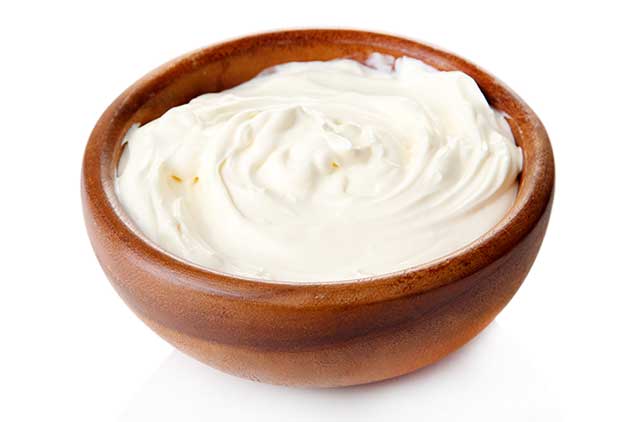
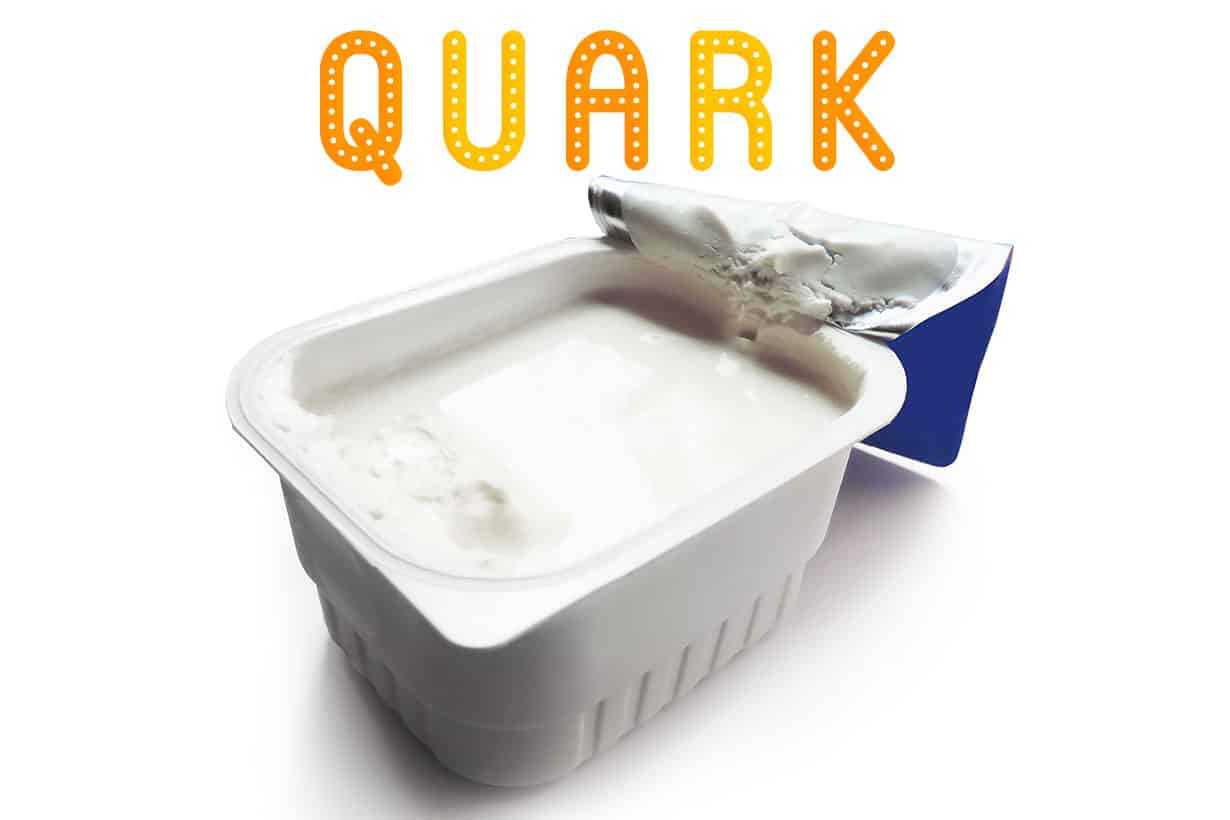
Sour cream is a fermented dairy food with a creamy texture and a slightly tart taste.
This tartness comes from the production process, which involves the lactic acid fermentation of pasteurized cream with an approximate fat content of 18-20%.
In this article, we’ll look at the potential benefits and drawbacks of sour cream as well as its full nutritional profile.
The following tables show the full nutritional values of sour cream per two-tablespoon (30g) serving, according to USDA data.
Percent daily values (% DV) are based on a typical 2,000 calorie diet.
Calories and Macronutrients
Nutrient
Amount
% Daily Value
Calories
59 kcal
Carbohydrates
1.39 g
0.5%
Fiber
0 g
0%
Sugars
1.02 g
Fat
5.82 g
7.5%
Saturated
3.03 g
15.2%
Monounsaturated
1.38 g
Polyunsaturated
0.24 g
Omega-3
0.02 g
Omega-6
0.19 g
Protein
0.73 g
1.5%
Cholesterol
17.7 mg
5.9%
Table 1: Typical calorie and macronutrient content of sour cream per two-tablespoon (30g) serving
Vitamins
Vitamin
Amount
% Daily Value
Vitamin A, RAE
37.2 mcg
4%
Vitamin C
0.27 mg
<1%
Vitamin D
0 mcg
0%
Vitamin E
0 mg
0%
Vitamin K
0.5 mcg
<1%
Thiamin (B1)
0.01 mg
1%
Riboflavin (B2)
0.05 mg
4%
Niacin (B3)
0.03 mg
<1%
Pantothenic acid (B5)
—
—
Vitamin B6
0.01 mg
1%
Folate (B9)
1.8 mcg
<1%
Vitamin B12
0.06 mcg
3%
Choline
5.76 mg
1%
Table 2: Typical vitamin content of sour cream per two-tablespoon (30g) serving
Minerals
Mineral
Amount
% Daily Value
Calcium
30.3 mg
2%
Iron
0.02 mg
<1%
Magnesium
3.0 mg
1%
Phosphorus
22.8 mg
2%
Potassium
37.5 mg
1%
Sodium
9.3 mg
<1%
Zinc
0.10 mg
1%
Copper
0.01 mg
1.1%
Manganese
—
—
Selenium
1.11 mcg
2.0%
Table 3: Typical mineral content of sour cream per two-tablespoon (30g) serving
As you can see in the table, sour cream does provide a broad range of different vitamins and minerals.
However, at typical serving sizes (a 30-gram, two-tablespoon serving) these nutrients are present in relatively small amounts.
Based on real-world usage, it is not a significant source of vitamins and minerals.
Does Sour Cream Have Any Benefits?
As a type of fermented dairy, does sour cream have any unique benefits worth knowing about?
Based on scientific research findings, let’s take a look at what it does (and doesn’t) provide.
Probiotic Content
A 2024 review of fermented dairy foods (like cheese and yogurt) included in the Mediterranean diet suggests they may have several benefits related to metabolism, inflammation, and more.
One reason for this could be different types of probiotics contained within fermented dairy foods. Probiotics are bacterial species that can colonize the human gut as part of the ‘microbiome’, where they can potentially confer benefits.
This includes gut bacteria’s ability to produce short-chain fatty acids, such as butyrate. Short-chain fatty acids are bioactive compounds that may provide benefits through their:
Anti-inflammatory properties
Ability to strengthen the gut barrier
Influence on strong immune responses
However, there is very little research specific to sour cream in this area, and many sour cream products may not even contain probiotics.
Why (Most) Sour Cream Doesn’t Contain Probiotics
To explain further, sour cream is a lactic acid-fermented food, so at one stage it contained significant amounts of lactic acid bacteria (probiotics).
However, the majority of sour cream products undergo pasteurization, which means they are exposed to ultra-high heat to kill any potentially harmful bacteria present. This heat treatment also kills beneficial probiotic bacteria.
That said, some products may be “enhanced with” probiotics, which are added back in after the pasteurization process.
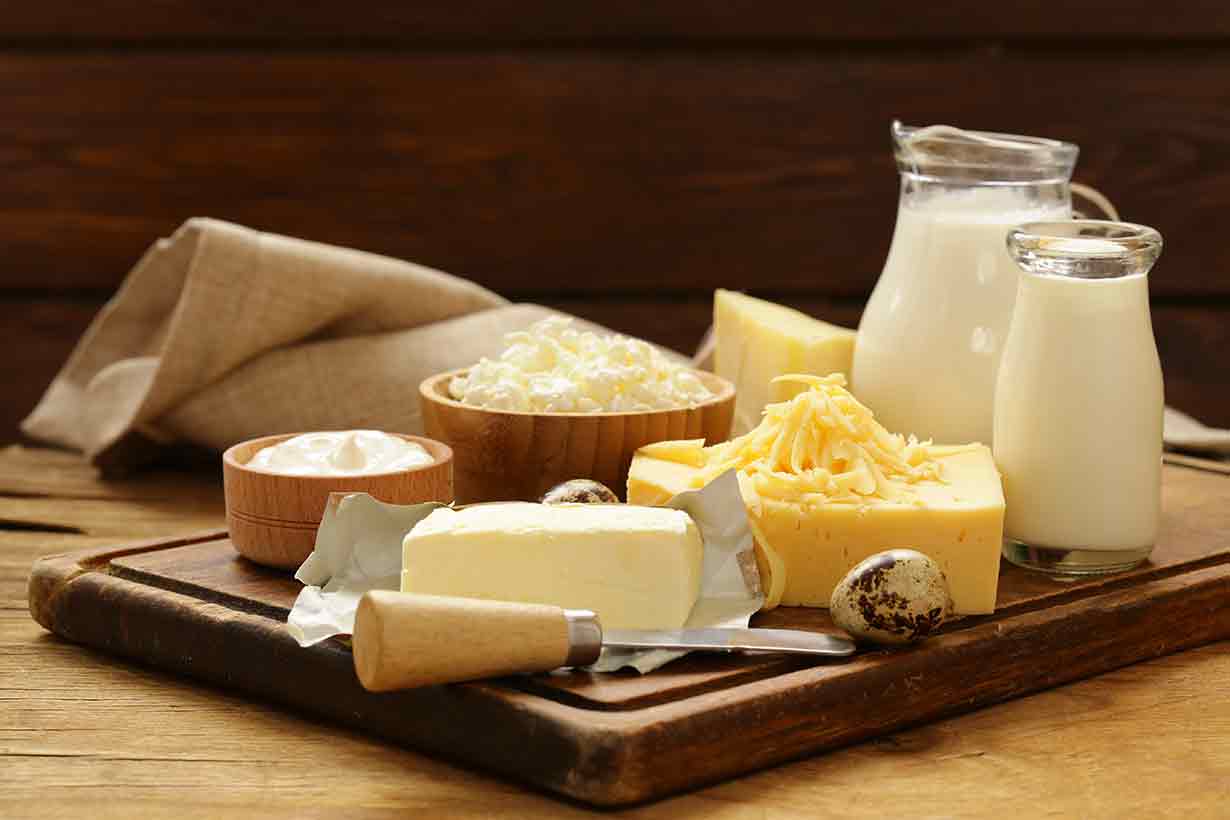
Interestingly, a 2020 randomized controlled trial found that fermented dairy products (cheese and sour cream) may have benefits compared to non-fermented dairy products.
Specifically, despite containing similar amounts of calories and fat to butter and whipped cream, participants consuming sour cream experienced a lower post-meal inflammatory response.
📋 Credentialed Nutritionist’s Take
Fermented vs probiotics: This is a complex topic, so I’ll try to summarize it for you. Even though most sour cream will no longer contain probiotics after pasteurization, the fermentation process itself still leads to differences between sour cream and non-fermented cream. For example, the “dead” lactic acid bacteria will still be present in sour cream.
What the study found: The study found that compared to regular cream, sour cream may offer benefits due to changes in its composition during fermentation.
Postbiotics: Postbiotics is an apt name dubbed to describe heat-killed probiotics, and notably, these compounds may still have benefits. For instance, a 2025 systematic review of randomized controlled trials found that postbiotic supplementation appeared to improve markers of inflammation as well as decreasing insulin, triglycerides, and waist circumference.
Contributes to Micronutrient Intake
The nutritional values section shows that sour cream contains a broad range of vitamins and minerals, but in generally small quantities.
Among the vitamins and minerals in sour cream, it provides a moderate amount of vitamin A (4% DV), riboflavin (4% DV), and calcium (2% DV) per serving.
Using Sour Cream as a Dressing May Increase Fat-Soluble Vitamin Absorption
Since these vitamins are fat-soluble, consuming them alongside dietary fat can significantly improve their absorption.
Since people commonly use sour cream as a salad dressing, its fat content is relevant for increased bioavailability of fat-soluble vitamins in the salad.
However, sour cream offers no unique benefits in this regard, and any source of fat, such as olive oil or hummus, will have the same effect.
Usage as a Dipping Sauce
Sour cream can also be an excellent base for making a dipping sauce.
Making a sour cream-based dip is relatively simple, and you only need a few additional ingredients. Options such as garlic powder, salt, and chopped chives all add a lot of flavor for minimal calories.
Simply add these ingredients to the sour cream and mix in for a great-tasting dip.
For half a cup of sour cream, the following quantities are about right:
1 tsp garlic powder
1 tsp chopped chives
1/2 tsp salt
However, personal tastes differ, so adjust these amounts to suit your preference.
For a healthier snack than options like potato chips, here are some ideas of what to dip in that sour cream:
Carrot sticks
Celery sticks
Cucumber sticks
Rye crackers
Sugar snap peas
Drawbacks
The main potential drawback of sour cream is its high content of saturated fat.
High in Saturated Fat
Sour cream is relatively high in saturated fat, especially if consumed in larger quantities.
Diets containing high levels of saturated fat can increase “bad” LDL cholesterol, which is well-established as a causal risk factor in the progression of cardiovascular disease.
That said, a typical two-tablespoon (30g) serving of sour cream has a relatively modest amount of saturated fat at 3.03 grams.
Sour cream can certainly fit into a healthy dietary pattern, but sticking to standard serving sizes helps to prevent overconsuming saturated fat.
Allergies and Lactose Intolerance
A serving of sour cream contains only one gram of sugar. Thus, it has extremely low lactose content.
However, anyone who experiences severe lactose intolerance should limit their sour cream intake and consult their healthcare provider.
As with all dairy products, sour cream is not suitable for people with cow’s milk allergy. This is because even trace amounts of milk protein are enough to cause an allergic reaction.
Different Types of Sour Cream
Lastly, it is worth noting that there are several different varieties of sour cream.
The basic nutritional composition of each one primarily depends on the amount of milkfat it contains.
Using USDA data for regular, light, and fat-free sour cream, the below table presents their calorie and macronutrient content:
Nutrient
Regular sour cream
Light sour cream
Fat-free sour cream
Calories
59 kcal
41 kcal
22 kcal
Carbohydrates
1.39 g
2.13 g
4.68 g
Fiber
0 g
0 g
0 g
Sugar
1.02 g
0.07 g
0.12 g
Fat
5.82 g
3.18 g
0 g
Saturated
3.03 g
1.98 g
0 g
Monounsaturated
1.38 g
0.93 g
0 g
Polyunsaturated
0.24 g
0.12 g
0 g
Protein
0.73 g
1.05 g
0.93 g
Cholesterol
17.7 mg
10.5 mg
2.7 mg
Table 4: A comparison table showing the nutritional values of regular, light, and fat-free sour cream per 30-gram, two-tablespoon serving
How to Use Sour Cream
There are many different ways to use sour cream, and there are plenty of recipes available online.
However, for some quick ideas here are some ways it works well:
Dips: Use sour cream as the base for a dip and just add flavors and seasonings of your choice.
For a cooling effect: Mix sour cream into hot curries and spicy stews to mellow out the spice factor.
In wraps and sandwiches: Pair with a source of protein, some leafy greens, and slices of tomato.
Salad dressings: Just add seasonings of choice.
For a creamy texture: Use it to help transform the texture and flavor of curries, soups, and stews.
Milk replacement in recipes: Using sour cream as a culinary milk alternative provides a creamier texture.
Is Sour Cream a Healthy Choice?
Sour cream is a high-fat dairy food that provides beneficial taste and texture characteristics to recipes.
Nutritionally, it contains a broad range of micronutrients but these are only in modest amounts at typical serving sizes.
In contrast, sour cream is relatively high in fat and calories, so it is advisable to stick with recommended serving sizes. A lower-fat variety of sour cream may be more suitable for anyone trying to limit their calorie or saturated fat intake.
Overall, sour cream can fit into a healthy dietary pattern and probably works best when combined with other nutrient-rich foods.
For example, using it as a salad dressing may help increase the bioavailability of fat-soluble vitamins in the salad while also contributing to the overall taste of the dish.
Michael works as a nutritionist in a community setting and holds a Master's degree in Clinical Nutrition. He is a Registered Associate Nutritionist (ANutr) with the Association for Nutrition (AfN), and has published peer-reviewed research.


 Using Sour Cream as a Dressing May Increase Fat-Soluble Vitamin Absorption
 Using Sour Cream as a Dressing May Increase Fat-Soluble Vitamin Absorption