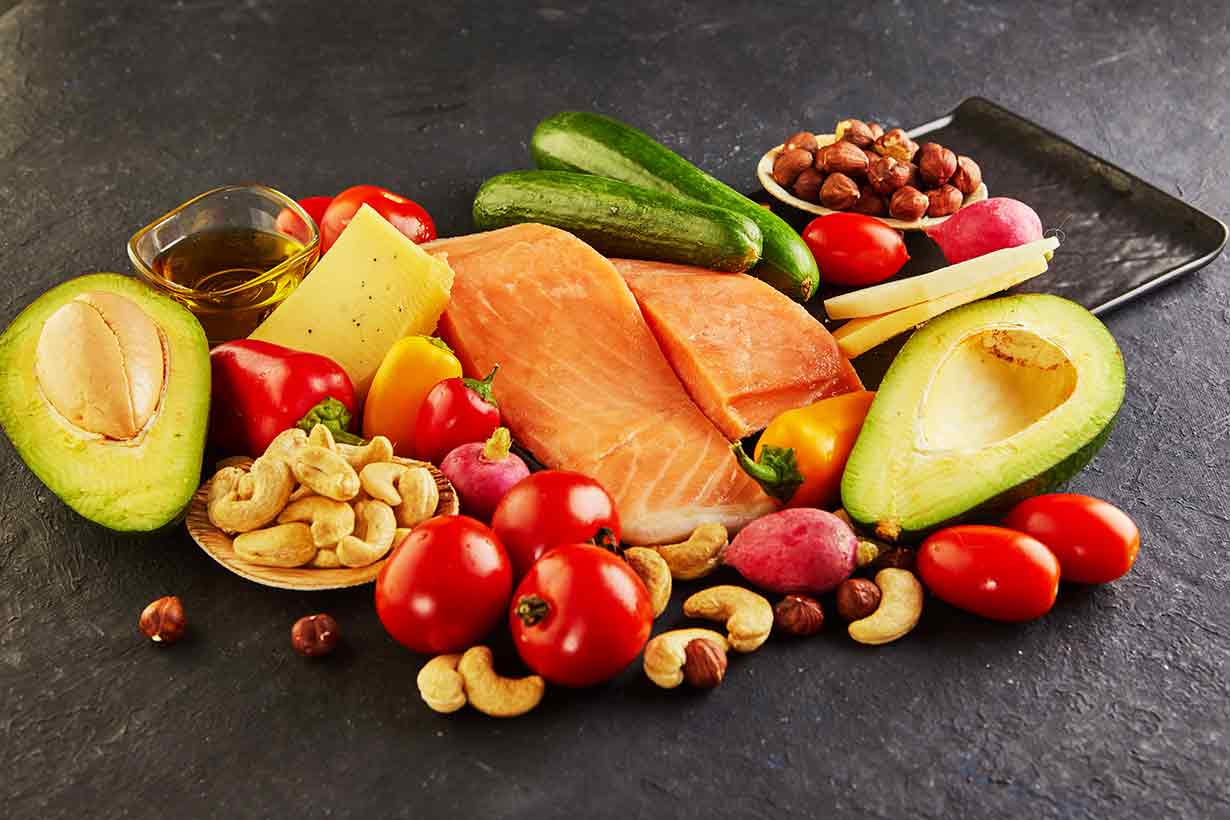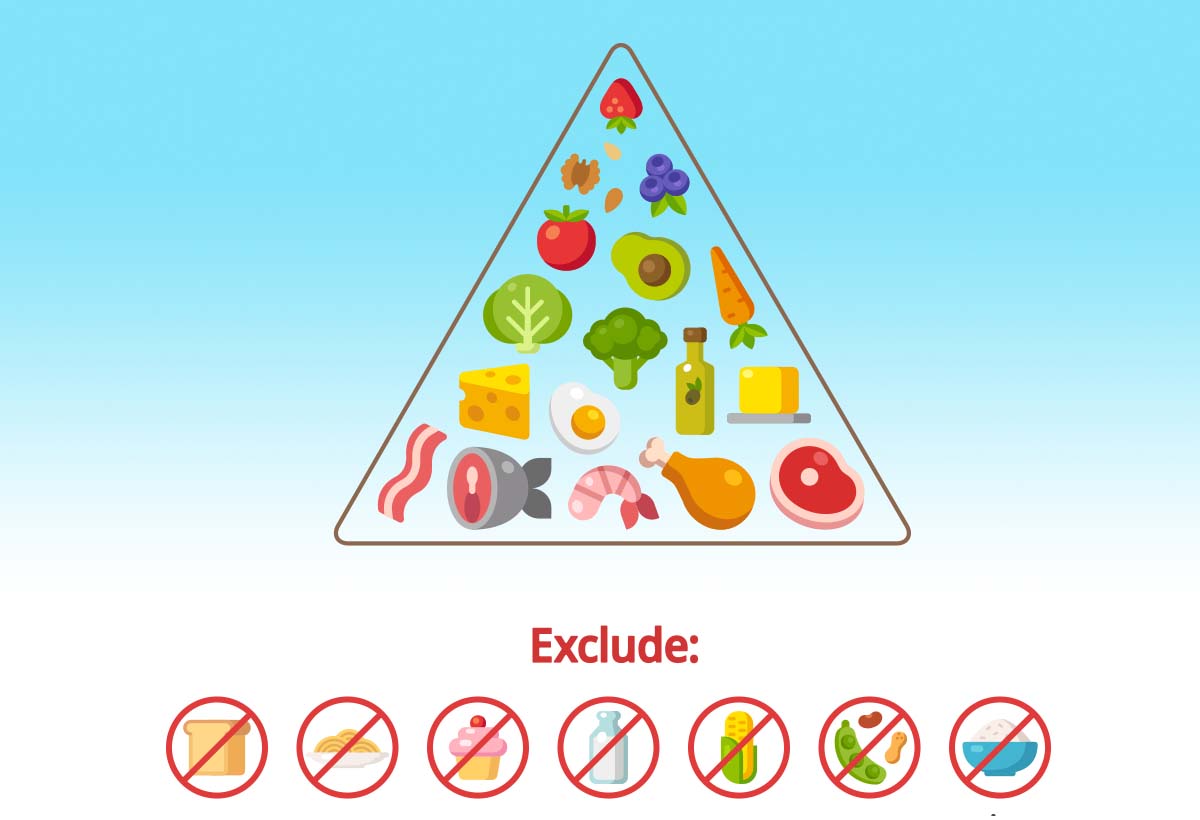
If you’re following a very-low-carb or ketogenic diet, it can sometimes be difficult knowing what to eat. This is particularly true for those who enjoy snacks.
In fact, a large proportion of traditional snack foods are quite high in carbohydrates, making them incompatible with such diets.
In this guide, we present 20 snack options, all of which are compatible with “keto” and general low-carb diets.
What Makes a Snack “Keto-Friendly”?

Most research on ketogenic diets describe them as very-low-carb dietary patterns characterized by a daily carbohydrate intake limited to 50 grams per day.
Based on this, each of the snack options covered in this guide provide a maximum of 10 grams of total carbohydrates.
This gives you a “spare” 30 grams of carbohydrates per day even if you eat two of the snacks we cover.
We have also provided further contextual information to help you understand the nutritional composition of each snack.
Primarily, this is because “total carbohydrate” doesn’t tell the full story, with the body using different types of carbohydrate in different ways. For example:
- Starches and sugars: The body breaks most starches and sugar down into glucose, which can raise blood sugar levels. This is important because low-carb diets, such as the ketogenic diet, are often used as a way of managing blood sugar levels.
- Fiber: Unlike simple carbohydrates, the body can’t digest fiber down into glucose, so it doesn’t contribute to blood sugar levels. In fact, fiber can blunt the blood sugar response to other types of carbohdyrates as it typically slows digestion.
With all of this in mind, for each “keto snack” we will provide the following nutritional data per typical serving and per 100g:
- Total carbohydrate: All forms of carbohydrate (including starch, fiber, sugar, etc)
- Fiber:
- Sugar:
- Net carbs: “Net carbs” is a metric that some people use to determine the amount of carbohydrate in a food that digests into glucose and impacts blood sugar. It can be calculated by subtracting fiber from total carbohydrate content.
All nutritional data aside from net carbs has been sourced from the USDA’s FoodData Central database. Using this data, we have calculated net carbohydrate figures.
Note: “Keto-Friendly” Doesn’t Necessarily Mean “Healthy”
A specific food being a “keto-friendly snack” doesn’t necessarily make that food a “healthy choice” – it just means it is nutritionally compatible with a ketogenic diet.
While we have tried to include a wide variety of foods, the main focus for each snack in this guide has been portability and limited total carbohydrate content.
Individuals following very-low-carb dietary plans should consult with their healthcare provider if they require assistance in formulating their diet in a healthy way.
List of Low-Carb, Keto-Friendly Snacks
Here are some of the best keto-friendly snack options alongside their key nutritional data. All options offer portability and, as mentioned, contain 10 grams of carbohydrate or less per typical serving.
1. Black Olives
It’s easy to put several olives in some plastic upperware, and they’re a fruit with very low levels of carbohydrates.
Six black olives contain fewer than 2 grams of carbohydrates.
| Nutrient | Per 6 olives (30g) | Per 100g |
|---|---|---|
| Total carbohydrates | 1.81g | 6.04g |
| Fiber | 0.48g | 1.6g |
| Sugars | 0g | 0g |
| Net carbs | 1.33g | 4.44g |
Source: USDA – Olives, black
2. Macadamia Nuts
Macadamia nuts have one of the lowest carbohydrate contents among nuts. Put an ounce in a sealed container, add a bit of salt if desired, and they’re a ready-to-eat snack.
An ounce of macadamia nuts has less than 4 grams of carbohydrates.
| Nutrient | Per ounce (28.35g) | Per 100g |
|---|---|---|
| Total carbohydrates | 3.64g | 12.8g |
| Fiber | 2.27g | 8.0g |
| Sugars | 1.17g | 4.14g |
| Net Carbs | 1.37g | 4.8g |
Source: USDA – Macadamia nuts
Note: Pili nuts offer an even lower amount of carbohydrates than macadamia nuts. However, they are difficult to find and tend to be more expensive.
3. Piece of Cheese
While all cheese is generally low in carbohydrates, fresh, soft cheese options typically have a higher amount.
Medium-hard and aged cheeses typically contain a minimal carbohydrate content.
The table below shows the carbohydrate composition of Cheddar cheese:
An ounce provides 0.6 grams of carbohydrates.
| Nutrient | Per ounce (28.35g) | Per 100g |
|---|---|---|
| Total carbohydrates | 0.60g | 2.13g |
| Fiber | 0g | 0g |
| Sugars | 0.08g | 0.27g |
| Net carbs | 0.60g | 2.13g |
Source: USDA – Cheese, Cheddar, sharp, sliced
4. Raspberries
Raspberries have one of the lowest “net carb” totals among all fruit due to their significant fiber provision. More than half the carbohydrate content of raspberries is fiber.
75 grams of raspberries, which is just under 2/3 cup, provide less than 10 grams of carbs.
| Nutrient | Per 75g | Per 100g |
|---|---|---|
| Total carbohydrates | 9.68g | 12.9g |
| Fiber | 4.88g | 6.5g |
| Sugars | 2.01g | 2.68g |
| Net carbs | 4.80g | 6.4g |
Source: USDA – Raspberries, raw
5. Blackberries
Just like raspberries, blackberries are another fiber-rich, lower-carbohydrate fruit.
75 grams of blackberries, which is approximately 1/2 a cup, provides slightly over 7 grams of carbohydrates.
| Nutrient | Per 75g | Per 100g |
|---|---|---|
| Total carbohydrates | 7.21g | 9.61g |
| Fiber | 3.98g | 5.3g |
| Sugars | 3.66g | 4.88g |
| Net carbs | 3.23g | 4.31g |
Source: USDA – Blackberries, raw
6. Dark Chocolate
While chocolate contains added sugar, some options can fit into a carbohydrate-restricted diet. A small amount of dark chocolate made from 70–85% cocoa solids can be compatible.
For example, 20 grams of 70–85% dark chocolate contains 9.2 grams of carbohydrates.
| Nutrient | Per 20g | Per 100g |
|---|---|---|
| Total carbohydrates | 9.18g | 45.9g |
| Fiber | 2.18g | 10.9g |
| Sugars | 4.8g | 24.0g |
| Net carbs | 7.0g | 35.0g |
Source: USDA – Chocolate, dark, 80–85% cacao solids
Note: 20 grams of dark chocolate is typically around 2 squares, but this will depend on the specific bar. Please check the product label to be sure about size.
7. Hard-boiled Egg
Eggs come in many forms, but hard-boiled eggs are the only truly portable preparation.
A large, hard-boiled egg only contains around half a gram of carbohydrates.
| Nutrient | Per large egg (50g) | Per 100g |
|---|---|---|
| Total carbohydrates | 0.56g | 1.12g |
| Fiber | 0g | 0g |
| Sugars | 0.56g | 1.12g |
| Net carbs | 0.56g | 1.12g |
Source: USDA – Egg, whole, cooked, hard-boiled
8. Peanuts
Despite botanically being a legume, peanuts are quite low in carbohydrates. They’re also widely available and modestly priced.
An ounce of peanuts, which is approximately a handful of nuts, provides just 4.56 grams of carbohydrates.
| Nutrient | Per ounce (28.35g) | Per 100g |
|---|---|---|
| Total carbohydrates | 4.56g | 16.1g |
| Fiber | 2.41g | 8.5g |
| Sugars | 1.34g | 4.72g |
| Net carbs | 2.15g | 7.6g |
Source: USDA – Peanuts, all types, raw
9. Chicken Drumstick
Like with boiled eggs, chicken drumsticks can either be bought pre-cooked or made at home. They are quite portable, but should be refrigerated if they are going to be left for several hours.
A typical 105-gram cooked chicken drumstick provides 0 grams of carbohydrates.
| Nutrient | Per 105g drumstick | Per 100g |
|---|---|---|
| Total carbohydrates | 0g | 0g |
| Fiber | 0g | 0g |
| Sugars | 0g | 0g |
| Net carbs | 0g | 0g |
Source: USDA – Chicken, drumstick, meat and skin, roasted
10. Greek Yogurt (Plain)
Opt for Greek yogurt for the lowest carbohydrate content.
Since Greek yogurt has more whey removed than regular yogurt, it contains fewer grams of carbohydrate. This is because whey contains dairy sugars (lactose).
A 150g container of Greek yogurt provides 7.12g grams of carbohydrates.
| Nutrient | Per 150g container | Per 100g |
|---|---|---|
| Total carbohydrates | 7.12g | 4.75g |
| Fiber | 0g | 0g |
| Sugars | 4.88g | 3.25g |
| Net carbs | 7.12g | 4.75g |
Source: Yogurt, Greek, whole milk, plain
Note: Be careful to ensure your choice of Greek yogurt truly is plain. Fruit-flavored and otherwise sweetened Greek yogurt products tend to be high in sugar and their carbohydrate content is unlikely to be less than 10 grams.
11. Almonds
Almonds are another relatively low-carb nut that provide a broad range of essential vitamins and minerals.
An ounce (28.35g) of almonds, which is about a handful, contains slightly over 6 grams of carbohydrates.
| Nutrient | Per ounce (28.35g) | Per 100g |
|---|---|---|
| Total carbohydrates | 6.12g | 21.6g |
| Fiber | 3.54g | 12.5g |
| Sugars | 1.23g | 4.35g |
| Net carbs | 2.58g | 9.1g |
Source: USDA – Nuts, almonds
12. Celery Sticks With Cream Cheese
Celery is a very low-carb vegetable and paired with cream cheese, it is a keto-friendly snack option.
A 64g stalk of celery and two tablespoons (29g) of cream cheese provide only 3.5 grams of carbohydrates.
| Nutrient | Per 93g serving | Per 100g |
|---|---|---|
| Total carbohydrates | 3.5g | 3.76g |
| Fiber | 1.02g | 1.03g |
| Sugars | 1.40g | 1.51g |
| Net carbs | 2.48g | 2.73g |
Sources: USDA – Celery, raw and USDA – Cheese, cream
13. Beef Jerky
Beef jerky is a protein-rich low-carb snack primarily made from dried meat.
According to the USDA database, an ounce (28.35g) of chopped beef jerky contains 3.12 grams of carbohydrates.
| Nutrient | Per ounce (28.35g) | Per 100g |
|---|---|---|
| Total carbohydrates | 3.12g | 11.0g |
| Fiber | 0.51g | 1.8g |
| Sugars | 2.55g | 9.0g |
| Net carbs | 2.61g | 9.2g |
Source: USDA – Snacks, beef jerky, chopped and formed
Note: While some jerky products can contain added sugars, they are typically only added in small amounts. To be sure, check the product label.
14. Coconut Chips
Coconut chips are toasted flakes of coconut meat. Sometimes they can be sweetened or flavored, but small servings are generally suitable as low-carb snacks.
According to USDA data, coconut chips by ‘Made In Nature’ contain a small amount of added maple syrup. However, they still only contain 10 grams of carbohydrates per half-cup (28g).
| Nutrient | Per 1/2 cup (28g) | Per 100g |
|---|---|---|
| Total carbohydrates | 10.0g | 35.7g |
| Fiber | 4.0g | 14.3g |
| Sugars | 4.0g | 14.3g |
| Net carbs | 6.0g | 21.4g |
Source: USDA – Coconut chips
15. Walnuts
As with most nuts, walnuts can work as a keto-friendly snack.
A handful of walnuts (1 ounce) provides less than 4 grams of carbohydrates.
| Nutrient | Per ounce (28.35g) | Per 100g |
|---|---|---|
| Total carbohydrates | 3.88g | 13.7g |
| Fiber | 1.9g | 6.7g |
| Sugars | 0.74g | 2.61g |
| Net carbs | 1.98g | 7.0g |
Source: USDA – Nuts, walnuts, English
16. Cherry Tomatoes
Cherry tomatoes are a convenient snack with a very low-carb content.
In fact, even a whole 149-gram cup of cherry tomatoes provides less than 6 grams of carbohydrates.
| Nutrient | Per 149g cup | Per 100g |
|---|---|---|
| Total carbohydrates | 5.8g | 3.89g |
| Fiber | 1.79g | 1.2g |
| Sugars | 3.92g | 2.63g |
| Net carbs | 4.01g | 2.69g |
Source: USDA – Tomatoes – red, ripe, raw
17. Can of Sardines
A can of sardines may not sound like a typical snack, but it’s a convenient one that comes in its own sealed tin.
Sardines are a source of omega-3 and protein and don’t provide a natural source of carbohydrates.
| Nutrient | Per 92g can | Per 100g |
|---|---|---|
| Total carbohydrates | 0g | 0g |
| Fiber | 0g | 0g |
| Sugars | 0g | 0g |
| Net carbs | 0g | 0g |
Source: USDA – Fish, sardine, Atlantic, canned in oil
18. Pumpkin Seeds
Like nuts, most seeds are suitable for snacking and contain relatively low amounts of carbs.
An ounce (28.35) of pumpkin seeds, which is about a handful, has only 3 grams of carbohydrates.
| Nutrient | Per ounce (28.35g) | Per 100g |
|---|---|---|
| Total carbohydrates | 3.03g | 10.7g |
| Fiber | 1.7g | 6.0g |
| Sugars | 0.40g | 1.4g |
| Net carbs | 1.33g | 4.7g |
Source: USDA – Seeds, pumpkin and squash seed kernels
19. A Protein Shake
Protein shakes are an excellent way to get more protein without significantly increasing carbohydrate intake.
A typical protein shake made with a scoop (31g) of powder contains less than 2 grams of carbohydrates.
| Nutrient | Per 31g scoop | Per 100g |
|---|---|---|
| Total carbohydrates | 1.94g | 6.25g |
| Fiber | 0.96g | 3.1g |
| Sugars | 0g | 0g |
| Net carbs | 0.98g | 3.15g |
Source: USDA – Nutritional powder mix, protein, NFS
Note: The carbohydrate and fiber composition of protein powder will vary by brand. Whey powder, which is one of the most popular types, is not a source of fiber.
20. Pecans
Pecans are another nut with a minimal carbohydrate content.
An ounce (28.35g) serving, about a handful of nuts, provides only 3.6 grams of carbohydrates.
| Nutrient | Per ounce (28.35g) | Per 100g |
|---|---|---|
| Total carbohydrates | 3.6g | 12.7g |
| Fiber | 1.64g | 5.8g |
| Sugars | 1.12g | 3.97g |
| Net carbs | 1.96g | 6.9g |
Source: USDA – Pecans, unroasted
Summary
Hopefully you’ll have found something you like in these low-carb snack options, but let’s quickly summarize:
- Low-carb snacking is possible: While many traditional snacks might not seem low-carb-friendly, there are numerous foods you can eat as snacks. In fact, low-carb snacking may often be a healthier choice if it means more nuts, less potato chips. More protein, and less cakes, etc.
- Quantity matters: As the data tables in this guide show, the amount of a particular food you eat is important, particularly for fitting into a very-low-carb diet. While a square or two of dark chocolate may be fine, the carbohydrate content of larger servings quickly add up.
- Overall diet matters: Whether the overall diet you consume is “healthy” or not depends on everything you eat rather than one specific food. It is usually best to try to consume foods from a range of food groups for a diverse intake of essential nutrients. In terms of low-carb snacks, this could mean varying between berries, nuts, seeds, dairy products, and so on. Learn more about formulating healthy low-carb recipes here.