Ketogenic diets have become popular over the past decade or so. People typically follow these diets as a medical diet or for weight management reasons.
However, it’s often difficult to find nuanced and objective coverage of the ketogenic diet online. Some of the claims you see may be grounded in science, but unfortunately many are not.
The truth: Like most named diets, the ketogenic diet may have some legitimate benefits. It may also have some drawbacks for your health, and it really depends on how the diet is formulated.
This article provides a complete guide to ketogenic diets. We’ll review what they are, how they are formulated, and what the scientific research says. As part of this, we’ll assess scientific findings on the ketogenic diet’s impact on blood sugar, cholesterol, weight management, and more.
Table of contents
What Is a Ketogenic Diet?
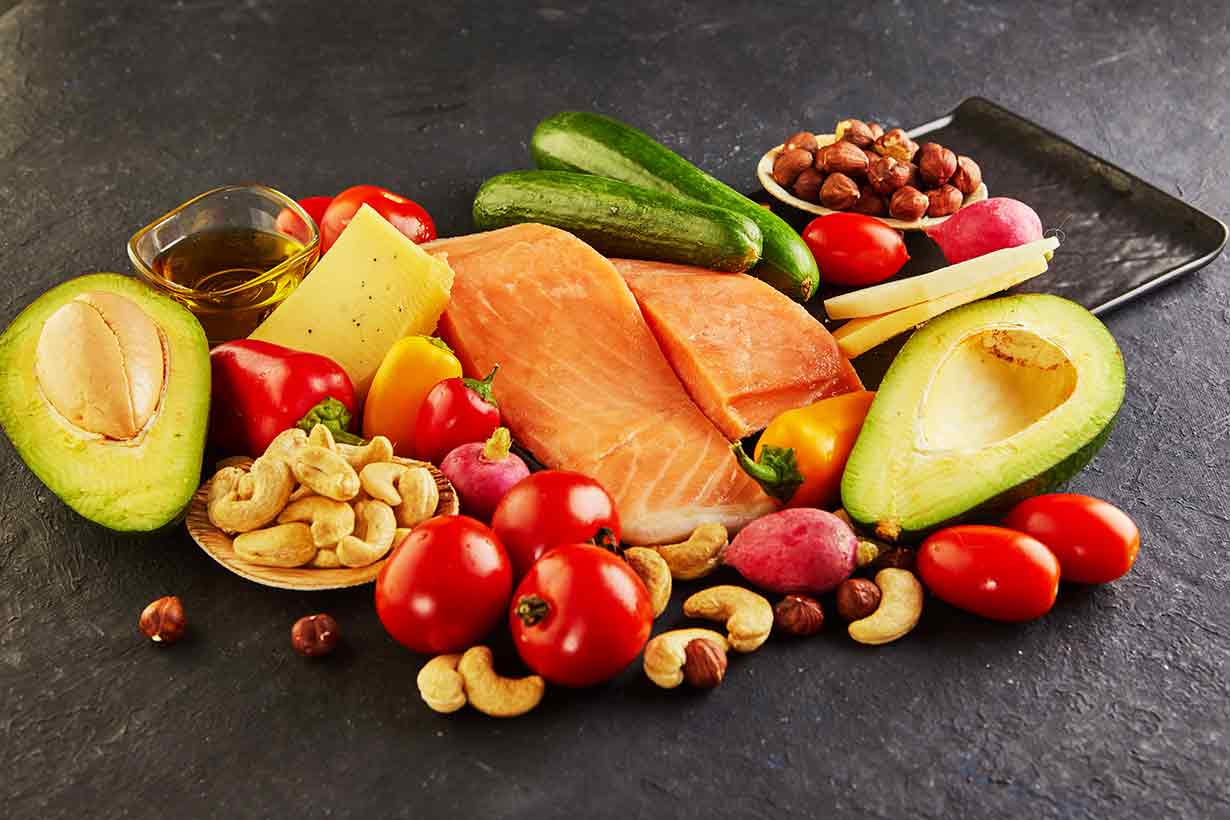
Ketogenic diets, also known as “keto” for short, involve limiting dietary carbohydrate to low intake levels.
However, accurately describing a ketogenic diet very much depends on the specific definitions we are using.
The diet was first mentioned by name in the 1920s, when it was introduced as a potential treatment for epilepsy. This form of the ketogenic diet is sometimes referred to as a ‘classic ketogenic diet’ (or CKD for short). It was a dietary intervention characterized by a fat consumption that could be as high as 90% of energy intake.
The term ‘ketogenic diet’ was reportedly first used by a highly-regarded diabetes researcher named Russel Wilder in 1921.
In contrast, the modern and popularized ‘keto diet’ tends to focus more on carbohydrate restriction than absolute fat intake, and it can be significantly higher in protein. In this respect, it is similar to the Atkins diet that enjoyed peak popularity during the 1990s and early 2000s.
This modern interpretation of the ketogenic diet involves high intakes of protein and fat and a low enough carbohydrate intake to enter a state commonly referred to as nutritional ketosis. For the purpose of this article, it is this popularized version of the ketogenic diet that we’ll focus on.
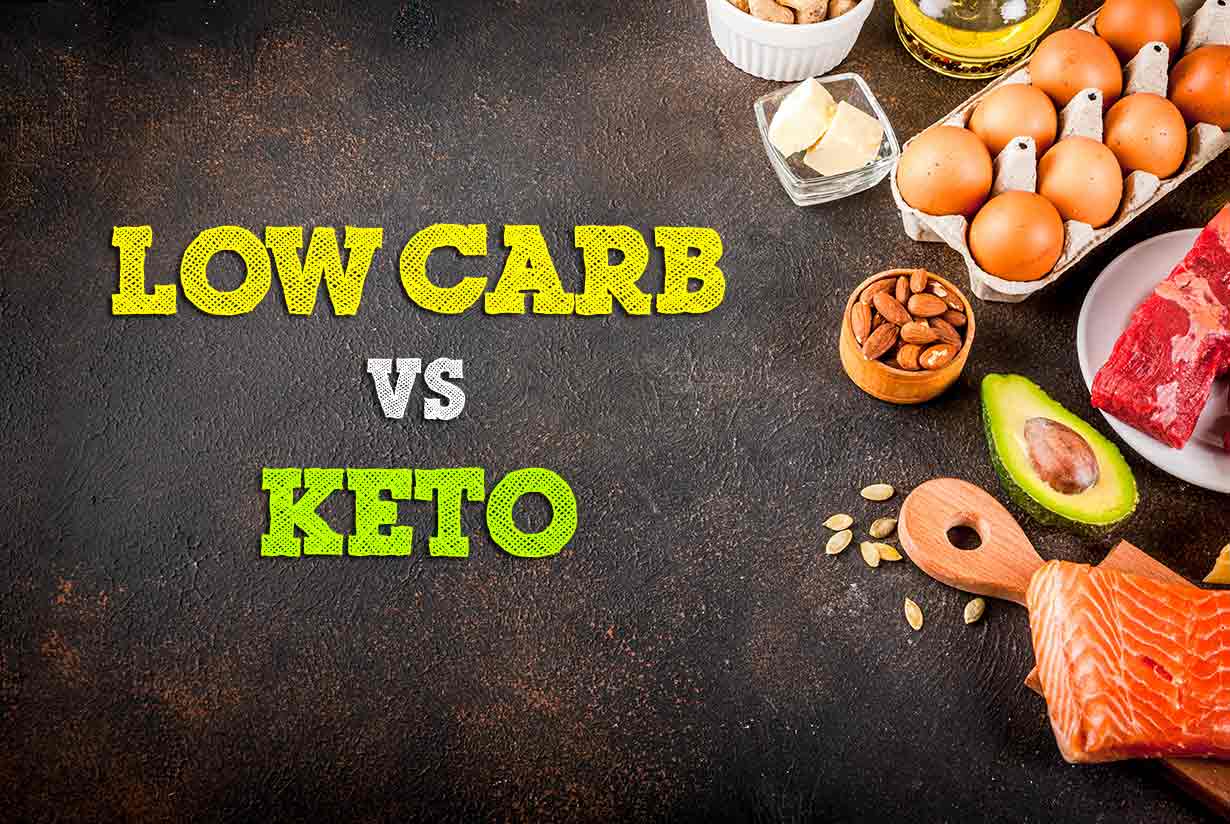
The Ketogenic Diet is a Form of Low-Carb Diet
Ketogenic diets fall within the broader low-carbohydrate category of diets, but they restrict carbohydrate intake to a very low level.
An all animal-based food diet has become popular over recent years called the carnivore diet, which also falls within this category. There is very little research on this diet. However, depending on how you define a ketogenic diet, carnivore-style diets could potentially be classed as a type of keto diet.
What Is Ketosis?
Ketosis is a metabolic state that the body enters in response to low glucose availability. The cause is usually a sustained low carbohydrate intake. Other factors, such as high activity levels, can also play a role.
The exact degree of carbohydrate restriction necessary to induce ketosis can vary. However, some researchers have stated that 50 grams of carbohydrates per day tends to be the approximate ‘upper limit.’
For your reference, 50g of carbohydrates is approximately equal to only one of the following:
- 2 medium bananas (53.8g)
- 1 cup (186g) of cooked white rice (53.2g)
- 2 slices of thick white bread (42.4g)
With this level of carbohydrate restriction, the body’s glycogen levels (stored glucose) deplete to a level that are no longer capable of supporting energy requirements. At this point, two metabolic processes begin in the body, known respectively as gluconeogenesis and ketogenesis:
- Gluconeogenesis: Gluc (glucose/sugar) + neo (new) + genesis (formation): Gluconeogenesis simply means the formation of new sugar. In gluconeogenesis, the body begins producing glucose from lactate, glycerol, and the amino acids (proteins) alanine and glutamine. The body can produce glucose from lactate, glycerol, and the amino acids alanine and glutamine in this manner.
- Ketogenesis: keto (ketone bodies) + genesis (formation): Ketogenesis refers to the formation of ketone bodies. Ketone bodies are a type of molecule that the body can use for energy. They are produced in the liver from fatty acids.
Typical Macronutrient Ratios for Ketogenic Diets
As mentioned, limiting carbohydrate intake to around 50 grams per day tends to be the main feature of a ketogenic diet.
However, according to a 2024 study on low-carbohydrate nutritional considerations, protein is important too. This study found that a well-formulated ketogenic diet should contain between 1.2–2.0 grams of protein per kilogram of body weight.
What Ratio of Carbohydrate, Fat, and Protein Might Ketogenic Diets Have?
Based on the above protein levels (1.2g–2.0 per kg of bodyweight), a ketogenic diet could feasibly look like any of the following options. These examples are based on a body weight of 75kg (168 lbs) and a typical 2,000 calorie diet.
- 10% carbohydrate, 70% fat, 20% protein
- 10% carbohydrate, 65% fat, 25% protein
- 10% carbohydrate, 60% fat, 30% protein
- 5% carbohydrate, 75% fat, 20% protein
- 5% carbohydrate, 70% fat, 25% protein
- 5% carbohydrate, 65% fat, 30% protein
Note: If you are following a ketogenic diet for medical reasons (such as epilepsy or type 2 diabetes) it is important to consult with your healthcare provider. This allows for individualized dietary advice rather than relying on generic ratios.
Is a Ketogenic Diet Right For You?
Ask someone whether trying a ketogenic diet is a good idea and you’ll often get an answer based on personal opinion.
However, the correct response should always consider the individual and their unique requirements, which would ideally look more like this:
- For what reason are you interested in ketogenic diets?
- Can you enjoy the foods available on a carbohydrate-restricted diet?
- What kind of foods do you most enjoy?
- Is a ketogenic diet necessary for your goals?
- Are there any medical issues to be aware of?
- What did you hear about the diet that made you interested in it?
For instance, a ketogenic diet won’t be the right fit if you enjoy liberal amounts of fruits and root vegetables.
On the other hand, a lower-carb diet could be worth looking into if you don’t find carbohydrate-restriction too restrictive. A ketogenic diet is one potential option in that area.
However, ketogenic diets are restrictive, limit many popular foods, and may have some health drawbacks (that we’ll explore later). For these reasons, ketogenic diets may not be the right choice for some people.
Note: Anyone with a medical issue should always speak to their healthcare provider before implementing any dietary change. This is imperative as drastic dietary changes can influence health markers and may result in modified medication requirements.
Meal Examples

Despite popular belief, a “keto diet” can include small amounts of higher-carbohydrate foods. There is no such thing as a “keto food” – daily carbohydrate intake is the most relevant consideration.
For example, a diet containing a small amount of brown rice could still be “ketogenic” with no further carbohydrate intake.
That said, for a total daily carbohydrate intake of <50 grams, a “keto meal” would likely contain less than 20 grams of carbohydrate.
What Kind of Meals Can You Eat On a Ketogenic Diet?
Based on the aforementioned 20-gram carbohydrate limit, here are some meals that fit into this modern interpretation of a keto diet.
Next to each meal, you can see the meal’s macronutrient content. All values were calculated using data from the USDA’s FoodData Central based on the raw weights listed.
Please note: These meal options are based on typical ketogenic meals and including a wide range of food options. While some may be nutrient-rich, they are not specifically intended as “healthy meal” recommendations.
- Eggs, salmon, spinach, and mushrooms: 2 large eggs, 4 oz (112g) salmon, 3 oz (85g) spinach, 3 oz (85-gram) mushrooms, 2 tbsp olive oil [653 calories, 6.6g carbohydrate, 52.2g fat, 40.5g protein]
- Cottage cheese, almonds, Cheddar cheese, and strawberries: 1 cup (210g) cottage cheese, 1 oz (28g) almonds, 1 oz (28g) Cheddar cheese, 1/2 cup (76g) strawberries [506 calories, 20.0g carbohydrate, 32.9g fat, 36.3g protein]
- Beef, broccoli, and carrots: 4 oz (113g) ground beef, 1 cup (91g) broccoli, 1 cup (128g) diced carrots, 2 tbsp olive oil [594 calories, 18.3g carbohydrate, 43.9g fat, 33.2g protein]
- Mackerel, mushrooms, edamame, and spinach: 1 fillet of mackerel (115g), 3 oz (85g) mushrooms, 4 oz (113g) edamame, 4 oz (113g) spinach, 1 tbsp olive oil [539 calories, 17.2g carbohydrate, 36.1g fat, 41.0g protein]
- Tofu, canned tomatoes, and bell pepper: 1 cup (252g) cubed tofu, 1/2 cup (121g) canned crushed tomatoes, 1 medium red bell pepper (119g), 1 tsp soy sauce, pinch of herbs and spices [467 calories, 20.0g carbohydrate, 31.8g fat, 36.6g protein]
- Bacon, eggs, grilled tomato, and mushrooms: 3 slices bacon, 2 large eggs, 1 medium grilled tomato, 3 oz (85g) mushrooms [524 calories, 17.9g carbohydrate, 38.5g fat, 31.0g protein]
- Cheese and leek omelet: 3 large eggs, 1 oz (28g) Cheddar cheese, 2 oz (56g) chopped leek, 1 tbsp olive oil [483 calories, 10.1g carbohydrate, 37.4g fat, 26.2g protein]
- Cheeseboard style meal: 1 oz (28g) Cheddar cheese, 2 oz (56g) prosciutto, six (24g) green and black olives, 1 oz (28g) walnuts, 1 cup of strawberries (152g) [477 calories, 18.0g carbohydrate, 32.9g fat, 27.8g protein]
- Sardine and cheese salad: 1 tin of sardines canned in olive oil (140g), 1 oz (28g) feta cheese, 3 oz (85g) arugula, 1 cup cherry tomatoes, 1 small red onion (sliced), 1 medium yellow bell pepper (119g) 1 tbsp olive oil, 2 tsp balsamic vinegar [594 calories, 19.2g carbohydrate, 44.8g fat, 30.9g protein]
As shown in the above examples, ketogenic diets can incorporate a broad range of animal-based and plant-based foods.
Note: Changing the serving quantities is a simple way to adjust the amount of carbohydrate, fat, or protein.
Potential Benefits
Large studies involving human participants have demonstrated that ketogenic diets may have several potential health benefits.
In the next few sections, we’ll review some of the recent positive findings on ketogenic diets.
Nutritionist’s Note
Before we look at some of the potential benefits of ketogenic diets, there’s something important that you should know. Whenever I see information about ketogenic diets online, I often notice a critical fact being omitted.
The effects of a ketogenic diet will differ depending on the overall diet composition. Individual food choices are important.
In other words, a ketogenic diet can be full of seafood, yogurt, nuts, seeds, berries, and leafy greens. It could also consist solely of meat, butter, and deep-fried food.
Diet quality matters, and the health effects of a ketogenic diet are strongly influenced by this. This is why scientific research on ketogenic diets typically focuses on providing “well-formulated” ketogenic meals or meal advice to participants.
In short, the ketogenic diets used in research studies may not be the same as those that social media influencers claim to be beneficial. If they’re not the same, it’s also likely that the health effects will differ.
Ketogenic Diets and Weight Management
Several large studies have looked into the potential effects of a ketogenic diet for supporting weight management:
- A 2026 systematic review of clinical trials found that children with obesity had “significant” weight loss when following diets with carbohydrate intake between 30 and 60 grams per day. Note: Children should not follow restrictive diets without appropriate medical prescription/guidance from a healthcare provider.
- A 2026 systematic review assessed the impact of ketogenic diets on polycystic ovary syndrome (PCOS). The study found that women following a ketogenic diet had “significant reductions” in waist circumference, weight, and body mass index (BMI).
- A 2025 systematic review of 33 randomized controlled trials reviewed the effect of ketogenic diets on body composition. Participants who consumed <50g carbohydrates per day saw improvements in body weight, BMI, body fat percentage, and fat mass.
For Any Diet, Adherence is Key
While the above research suggests that ketogenic diets can lead to weight loss in short-term trials, it is important to look at these findings with appropriate context. Firstly, the reviews included relatively short-term trials, with most lasting 6 months or less.
All diets are notoriously difficult to adhere to over the long-term. In this regard, it is common for individuals to eventually give up their chosen diet and regain lost weight. This is especially the case when people don’t have the support and guidance from scientists and nutritionists that often exist in clinical settings.
This regain is supported by extensive scientific research. For example, a 2022 systematic review of 27 clinical trials analyzed the effect of weight loss interventions on over 7,000 people. The study found that after successful weight loss interventions, weight regain typically started 36 weeks later. Some participants regained all their lost weight within one year.
The reason this regain occurs is because it is hard to adhere to specific diets, especially restrictive ones. We can see a good example of this in a recent meta-analysis of ketogenic diet interventions for patients with epilepsy. This meta-analysis found that over 12 clinical studies, the average adherence rate to a ketogenic diet was only 45%. More than half couldn’t sustain the diet.
As this example shows, a ketogenic diet must be the right fit for the individual, their preferences, and their lifestyle. It’s the same with any diet. If someone enjoys their particular way of eating, they are more likely to sustain the diet over the long term. On the other hand, if it is a constant struggle to maintain a way of eating, long-term adherence is doubtful.
This is why many people try various “yo-yo” diets, regain weight, and later start the cycle again by trying a new diet.
The key to a good, sustainable way of eating is a diet that you enjoy.
Related: Common reasons for weight management struggles with a ketogenic diet.
Cognitive Health
Several studies have examined the potential effects of a ketogenic diet for supporting the management of conditions such as Alzheimer’s and wider cognitive health.
A lot of this research has been triggered by altered glucose metabolism being noted in the brain of patients with Alzheimer’s.
Since ketogenic diets encourage the body to switch from using glucose to ketone bodies as the main fuel source, researchers have been examining what impact the diet may have for individuals with Alzheimer’s.
However, the current consensus is that “more research is necessary.”
Here is a summary of recent research:
- A 2024 systematic review found that, while some trials “showed promise” for slowing the disease, the overall evidence is mixed and uncertain.
- Another systematic review published in 2024 investigated the effect of ketogenic diets on cognitive function in 10 trials involving 691 participants with Alzheimer’s disease. The study found that ketogenic diets may enhance cognitive function but while also potentially causing an increase in “bad” LDL cholesterol levels.
- A 2023 systematic review reviewed data from 18 clinical trials that used ketogenic diets for mild cognitive impairment, Alzheimer’s disease, and Parkinson’s disease. While the evidence was mixed, the study found that the diet was “probably effective” for cognitive improvements in participants with mild impairments in cognition and a subset of mild-moderate Alzheimer’s patients.
However, overall the consensus from large reviews is that the evidence is mixed, limited, and that more research is necessary.
Type 2 Diabetes
There is a large amount of research on ketogenic diets for their potential to support type 2 diabetes management:
- A 2025 systematic review of 6 randomized controlled trials found that low-carb and ketogenic diets resulted in decreased body weight, average blood sugar levels (HbA1c), body mass index, and systolic blood pressure.
- A 2024 systematic review focused specifically on ketogenic diets and their impact on cardiovascular risk factors. Based on data from 29 trials, the study found that ketogenic diets significantly improved fasting blood sugar, HbA1c, and blood pressure.
Based on the findings from these large reviews, well-formulated ketogenic diets appear to have potential effectiveness for improving several health markers in participants with type 2 diabetes.
Nutritionist’s Note
While the findings from these studies are positive, we should note the wider research on type 2 diabetes here.
In short, ketogenic diets are not the only valid approach for type 2 diabetes management. Over recent years, I’ve noticed clinical consensus has shifted to focus on the downstream effects of weight loss rather than specific dietary patterns.
By this, I mean that large reviews have shown that weight loss seems to be the key driver of type 2 diabetes management (and potential remission). For example, research indicates that the build up of ectopic fat (fat surrounding the pancreas and other organs) is a cause of insulin resistance.
Dietary-induced weight loss can help to reduce ectopic fat, potentially leading to long-term improvements in blood sugar regulation. This can be achieved with any well-formulated, effective diet if it can be sustained. It doesn’t need to be a very-low-carb diet.
Note: Individuals with type 2 diabetes should always consult their healthcare provider before considering any significant dietary change.
Epilepsy
Ketogenic diets have been used as therapeutic dietary interventions for epilepsy since the early 1900s.
As per a 2025 systematic review, an extensive amount of research supports ketogenic diets reducing seizure frequency in epilepsy compared to standard treatment.
However, as we discussed earlier, whether someone can adhere to the ketogenic diet is important. The adherence rate over 12 clinical trials for epilepsy management was only 45%.
Based on the evidence consensus, it is likely that a well-formulated, medically prescribed ketogenic diet can be an effective dietary intervention for epilepsy if it can be sustained.
Potential Drawbacks
The general drawback to ketogenic diets is that they significantly restrict carbohydrate intake. This automatically limits a wide range of (potentially) nutrient-rich foods.
But are there any other concerns above and beyond the carbohydrate restriction?
Three of the most common criticisms of ketogenic diets are listed below:
- “Ketogenic diets may raise LDL cholesterol levels.”
- “The diet lacks dietary fiber.”
- “Ketogenic diets can cause ketoacidosis.”
Is there any truth to these criticisms? And if so, is there anything that can be done about them?
Let’s take a look.
Ketogenic Diets and “Bad” LDL Cholesterol, and Blood Lipids
Ketogenic diets tend to be very high in fat, of which saturated fat can sometimes form a significant proportion. This is particularly true if the diet is rich in fatty meat and full-fat dairy products like butter and cream.
Diets high in saturated fat, especially the saturated fatty acids palmitic acid and myristic acid, can increase “bad” LDL cholesterol (LDL-C) levels. Palmitic acid and myristic acid are mainly found in animal fats like butter as well as palm oil.
Elevated LDL-C is recognized as a causal risk factor in the development of atherosclerotic (plaque-forming) cardiovascular disease. Additionally, a systematic review of 34 trials involving 270,288 patients found that more intensive lowering of LDL-C was associated with a greater reduction in cardiovascular mortality.
Since ketogenic diets are typically high in fat with lower amounts of carbohydrate (and fiber), they tend to increase LDL-C. Case studies have also found that these increases from following a ketogenic diet can sometimes be “dramatic.”
However, responses can vary by individual, and by the exact foods included in the diet. For example, a ketogenic diet providing large amounts of low-carb vegetables, nuts, and seeds, is unlikely to have the same impact as one based on meat and butter.
On this note, a 2019 scientific statement by the National Lipid Association noted evidence of ketogenic diets having varying effects on blood cholesterol levels. The authors suggested that this may be due to “the quality of the diet interventions” in studies.
Different Foods Have Different Effects on LDL-C Levels
Here are several considerations for individuals wanting to try a ketogenic diet while minimizing potential rises in LDL-C:
- Lean cuts of meat and seafood have a smaller influence on LDL-C levels compared to fattier cuts of meat.
- A 2023 systematic review indicates that cheese does not raise LDL-C levels compared to butter. This is thought to be because cheese contains an intact milk fat globule membrane (MFGM) that surrounds (encapsulates) the fatty acids in the food. The MFGM is broken in the churning process to produce butter. The calcium content of cheese may also play a role.
- Seeds and seed products such as psyllium husk can significantly lower LDL levels. This is mainly due to their respective polyunsaturated fat and fiber content.
- Nuts are compatible with ketogenic diets. A 2025 systematic review demonstrates a broad range of evidence supporting the impact of nuts for lowering LDL-C.
In short, the exact impact of a ketogenic diet on LDL-C levels will depend on the composition of the diet being followed.
Nutritionist’s Note
It’s often possible to hear statements like “consult a healthcare provider” when reading about diets and their potential health effects. I just want to note why this can be so important.
The main reason is that good health shouldn’t rely on guesswork. Sometimes a particular diet can make us feel good, but it is very possible to “feel good” while having suboptimal health markers (like high blood pressure and LDL cholesterol).
Since conditions like high cholesterol are invisible (they typically have no noticeable symptoms), it’s always a good idea to consult a healthcare provider when starting a new diet. Then you can check your baseline levels of important health markers and how they may change, which helps to keep you safe.
Are Ketogenic Diets Low in Fiber?
Higher fiber intake is consistently associated with health benefits across multiple large studies. This evidence ranges from extensive observational studies to large, controlled trials involving human participants.
For example, a 2024 systematic review analyzed data from 64 studies involving 3,512,828 participants, finding that higher intakes of fiber decreased the risk of:
- Cardiovascular death by 26%
- All-cause mortality by 23%
It is a common claim that ketogenic diets lack fiber. This may be true, especially if the diet contains low amounts of nuts, seeds, fruits, and vegetables.
However, just because ketogenic diets can be low in fiber doesn’t mean they have to be. It is also possible to consume high amounts of fiber on such diets.
Here are some high-fiber foods that are low in carbohydrates and can fit into a ketogenic diet. Note: the fiber values are for raw weight, and they are sourced from the USDA’s FoodData Central database:
- Almonds: 12.5g fiber per 100g
- Cocoa powder: 37.0g fiber per 100g
- Artichoke: 5.7g fiber per 100g
- Avocado: 6.7g fiber per 100g
- Blackberries: 5.3g fiber per 100g
- Brussels sprouts: 3.8g fiber per 100g
- Chia seeds: 27.3g fiber per 100g
- Flax seeds: 27.3g fiber per 100g
- Hazelnuts: 9.7g fiber per 100g
- Kale: 4.1g fiber per 100g
- Lupin beans: 37.5g fiber per 100g
- Pecans: 9.6g fiber per 100g
- Psyllium husk: 78g fiber per 100g
- Raspberries: 6.5g fiber per 100g
- Spinach: 2.2g fiber per 100g
Ketoacidosis
There are claims that ketogenic diets can “cause ketoacidosis,” but this is a topic where a lot of nuance is needed.
As previously mentioned, ketosis is a physiological state in which the body starts to burn ketones (fats) for energy instead of glucose.
In contrast, ketoacidosis is a potentially life-threatening condition that occurs when the body doesn’t make enough insulin. This can lead to ketone levels becoming abnormally (and dangerously) high. The Centers for Disease Control (CDC) note that ketoacidosis can be life-threatening.
In most healthy people following a low-carb ketogenic diet, a small amount of insulin is released to prevent ketone levels from becoming too high, making ketogenic diets usually not a risk.
However, individuals with type 1 diabetes do not produce sufficient insulin. This means that without careful management of type 1 diabetes, it could potentially lead to excessive ketone levels, potentially causing ketoacidosis.
It is also worth pointing out that there have been reports of ketoacidosis occurring on carbohydrate-restricted diets in population groups including:
- Lactating women: Several case studies show ketoacidosis has occurred in lactating women following a ketogenic diet.
- SGLT2 inhibitors in type 2 diabetes: Using medication known as SGLT2 inhibitors is thought to raise the risk of ketoacidosis in individuals with type 2 diabetes, with ketoacidosis events shown in case studies.
Again, anyone making significant dietary changes (particularly if a medical condition is present) should consult their healthcare provider.
Related: Do Ketogenic Diets Cause Ketoacidosis?
Other Potential Side Effects To Consider
Some people find it difficult to start a ketogenic diet due to symptoms that may occur during the first week or so of following the diet.
According to published research, these symptoms may include dizziness, headache, lethargy, and nausea, among others.
These changes may potentially be caused by ‘water weight’ losses as insulin levels drop, leading to a reduction in electrolyte levels.
Note: It is important not to assume an adverse effect is “normal” – always consult your healthcare provider if any side effects occur from a diet.
Ketogenic Diet-Friendly Foods
As previously mentioned, the most important consideration with ketogenic diets is the total carbohydrate intake rather than specific foods.
However, ketogenic diets typically focus on the types of foods listed below (with some examples where applicable):
- Cooking fats and oils: Avocado oil, butter, canola oil, olive oil
- Dairy: Cheese, cream, yogurt
- Drinks: Coffee, diet soda, herbal tea, tea, water
- Eggs
- Fish
- Fruit: Low-sugar options like avocado and berries
- Meat
- Nuts: Almonds, hazelnuts, macadamia nuts, pecans
- Poultry
- Seeds: Chia seeds, flaxseeds, pumpkin seeds
- Shellfish
- Vegetables: Especially mushrooms and leafy greens
Note: For a more in-depth guide to keto-friendly foods, see this keto shopping list with carbohydrate data for each food.
Snacking
Popular snack options like potato chips and milk chocolate don’t fit a ketogenic diet. Some examples of snack options that are suitable for keto include:
- Berries and yogurt: Your choice of berries in a bowl with some yogurt.
- Boiled eggs: A boiled egg or two is a satisfying protein-rich snack.
- Nuts and seeds: A handful of nuts provides a good amount of protein, fat, fiber, vitamins, and minerals.
Learn more: 20 Low-Carb, Keto-Friendly Snacks
Foods To Limit
Due to the nature of ketogenic diets, most high-carbohydrate foods are unsuitable for this way of eating.
Below is a list of the foods and drinks that are generally too high in carbohydrates for a keto diet:
- Beer (most beer except light options)
- Cakes
- Cookies
- Dried fruit (a small amount is OK, but the carbohydrate levels will quickly add up)
- Fruits high in carbs (banana, mango, papaya)
- Fruit juice
- Grain products (bread, cereals, pasta)
- Legumes (such as beans and lentils)
- Milk (a small amount is OK, but milk has about 12g carbs per cup)
- Sugary foods and sugar-sweetened products in general
- Sweet wines/sugary alcohol
- Tubers such as parsnips, potatoes, and sweet potatoes
- Whole grains (such as barley, oats, and wholewheat)
For those who drink alcohol, dry wine and spirits tend to be the lowest-carbohydrate options.
Nutritionist’s Note
Looking at this list, you may have noticed some perfectly healthy food options like tropical fruit, legumes, milk, and tubers.
These are all nutrient-rich foods that, for most people, are likely a beneficial dietary addition. The only reason they’re in this “foods to limit” section is because they have higher carbohydrate levels and ketogenic diets focus on low-carb foods.
If you don’t wish to restrict these foods, that’s perfectly fine, and it just means a ketogenic diet isn’t the right fit for you.
Final Thoughts
Research over recent years indicates that ketogenic diets may have potential benefits, ranging from weight management to supporting type 2 diabetes management. However, it is worth noting that the ketogenic diet is just one of many potentially effective dietary interventions for such purposes.
Lower carbohydrate diets that allow a more moderate carbohydrate intake can be equally effective, as can other well-formulated dietary patterns that lead to reduced energy intake.
For those who don’t mind the level of carbohydrate restriction required and typically enjoy low-carb foods, a well-formulated ketogenic diet could be worth investigating.
However, ensure you consult with a healthcare provider to implement the diet in a way that supports overall health and to track any potential changes in markers of health (such as cholesterol).
Lastly, it is worth pointing out that many of the foods that fit with ketogenic diets are not staple foods, and the diet can be expensive. This article on nutrient-rich yet affordable foods provides some budget-friendly food choice ideas, many of which can fit into a ketogenic diet.
References
Full List of Scientific References
(Click to Expand)
All citations used within this article are listed below, with full details for each scientific source.
- Isabella D’Andrea Meira et al. (2019). Ketogenic diet and epilepsy: What we know so far. View study in the Frontiers in Neuroscience journal
- Sharon F. Daley et al. (2025). The ketogenic diet: Clinical applications, evidence-based indications, and implementation. View information at the National Library of Medicine
- Richard D. Feinman et al. (2015). Dietary carbohydrate restriction as the first approach in diabetes management: Critical review and evidence base. View study in the Nutrition journal
- USDA. (2019). Bananas, raw, nutrients. View USDA data
- USDA. (2019). Rice, white, medium-grain, enriched, cooked, nutrients. View USDA data
- USDA. (2024). Bread, white, nutrients. View USDA data
- Erica A. Melkonian et al. (2023). Physiology, gluconeogenesis. View information at National Library of Medicine
- Nader Rahimi et al. (2025). Biochemistry, ketogenesis. View information at National Library of Medicine
- Lori Laffel et al. (2000). Ketone bodies: A review of physiology, pathophysiology and application of monitoring to diabetes. View study in the Diabetes Metabolism Research and Reviews journal
- Jeff S. Volek et al. (2024). Nutritional considerations during major weight loss therapy: Focus on optimal protein and a low-carbohydrate dietary pattern. View study in the Current Nutrition Reports journal
- Elora Fournier et al. (2025). Low-carbohydrate diets for the management of pediatric obesity: A systematic review and meta-analysis. View study in the Nutrition Reviews journal
- Elisavet Arsenaki et al. (2026). The effects of ketogenic diet on polycystic ovary syndrome: A systematic review and meta-analysis. View study in the Clinical Nutrition journal
- Leona Yuen-Ling Leung et al. (2025). Effects of ketogenic and low-carbohydrate diets on the body composition of adults with overweight or obesity: A systematic review and meta-analysis of randomized controlled trials. View study in the Clinical Nutrition journal
- Adriane Moreira Machado et al. (2022). Understanding weight regain after a nutritional weight loss intervention: Systematic review and meta-analysis. View study in the Clinical Nutrition ESPEN journal
- Fang Ye et al. (2015). Efficacy of and patient compliance with a ketogenic diet in adults with intractable epilepsy: A meta-analysis. View study in the Journal of Clinical Neurology
- Saikat Dewanjee et al. (2022). Altered glucose metabolism in Alzheimer’s disease: Role of mitochondrial dysfunction and oxidative stress. View study in Free Radical Biology and Medicine journal
- Sara Martinez-Lopez et al. (2024). A systematic review of lifestyle-based interventions for managing Alzheimer’s disease: Insights from randomized controlled trials. View study in the Journal of Alzheimer’s Disease
- Liyang Rong et al. (2024). Effects of ketogenic diet on cognitive function of patients with Alzheimer’s disease: a systematic review and meta-analysis. View study in the Journal of Nutrition, Health, and Aging
- Jeffrey L. B. Bohnen et al. (2023). Ketogenic interventions in mild cognitive impairment, Alzheimer’s disease, and Parkinson’s disease: A systematic review and critical appraisal. View study in the Frontiers in Neurology journal
- Rajib Das et al. (2025). Long-term efficacy and safety of a low-carbohydrate diet in type 2 diabetes remission: A systematic review. View study in the Cureus journal
- Parisa Ghasemi et al. (2024). Impact of very low carbohydrate ketogenic diets on cardiovascular risk factors among patients with type 2 diabetes; grade-assessed systematic review and meta-analysis of clinical trials. View study in the Nutrition & Metabolism journal
- Fatemeh Kazeminasab et al. (2024). The effects of exercise interventions on ectopic and subcutaneous fat in patients with type 2 diabetes mellitus: A systematic review, meta-analysis, and meta-regression. View study in the Journal of Clinical Medicine
- Alzahra’a Al Matairi et al. (2025). Efficacy and safety of ketogenic diets in drug-resistant epilepsy: A systematic review and meta-analysis. View study in the World Journal of Pediatrics
- R. P. Mensink et al. (2009). Dietary saturated and trans fatty acids and lipoprotein metabolism. View study in the Annals of Medicine journal
- Jan Boren et al. (2020). Low-density lipoproteins cause atherosclerotic cardiovascular disease: pathophysiological, genetic, and therapeutic insights: A consensus statement from the European Atherosclerosis Society Consensus Panel. View study in the European Heart Journal
- Eliano P. Navarese et al. (2018). Association between baseline LDL-C level and total and cardiovascular mortality after LDL-C lowering: A systematic review and meta-analysis. View study in the Journal of the American Medical Association
- Tyler Schmidt et al. (2023). Dramatic elevation of LDL cholesterol from ketogenic-dieting: A case series. View study in the Americal Journal of Preventive Cardiology
- Carol F. Kirkpatrick et al. (2019). Review of current evidence and clinical recommendations on the effects of low-carbohydrate and very-low-carbohydrate (including ketogenic) diets for the management of body weight and other cardiometabolic risk factors: A scientific statement from the National Lipid Association Nutrition and Lifestyle Task Force. View study in the Journal of Clinical Lipidology
- Michael A. Roussell et al. (2012). Beef in an Optimal Lean Diet study: Effects on lipids, lipoproteins, and apolipoproteins. View study in the American Journal of Clinical Nutrition
- Rebecca Pradeilles et al. (2023). Effect of isoenergetic substitution of cheese with other dairy products on blood lipid markers in the fasted and postprandial state: An updated and extended systematic review and meta-analysis of randomized controlled trials in adults. View study in the Advances in Nutrition journal
- Elena Jovanovski et al. (2018). Effect of psyllium fiber on LDL cholesterol and alternative lipid targets, non-HDL cholesterol and apolipoprotein B: A systematic review and meta-analysis of randomized controlled trials. View study in the American Journal of Clinical Nutrition
- Stephanie K. Nishi et al. (2025). Effect of nut consumption on blood lipids: An updated systematic review and meta-analysis of randomized controlled trials. View study in the Nutrition, Metabolism & Cardiovascular Diseases journal
- Fatemeh Ramezani et al. (2024). Dietary fiber intake and all-cause and cause-specific mortality: An updated systematic review and meta-analysis of prospective cohort studies. View study in Clinical Nutrition journal
- Centers for Disease Control (CDC). (2024). Diabetic ketoacidosis. View information at Centers for Disease Control
- Caroline G. P. Roberts et al. (2025). Illnesses associated with ketosis including diabetic ketoacidosis during very low carbohydrate and ketogenic diets. View study in the Diabetes, Obesity and Metabolism journal
- Suranut Charoensri et al. (2021). Ketogenic diet-induced diabetic ketoacidosis in a young adult with unrecognized type 1 diabetes. View case study in Case Reports in Endocrinology journal
- Marisa Khatijah Borhan et al. (2023). A case of severe lactation ketoacidosis in a nondiabetic mother on a ketogenic diet. View case study in JCEM Case Reports journal
- Helpees Guirguis et al. (2022). The use of SGLT-2 inhibitors coupled with a strict low-carbohydrate diet: A set-up for inducing severe diabetic ketoacidosis. View case study in Clinical Medicine Insights: Case Reports
- Damian Dynka et al. (2026). The ketogenic diet is not for everyone: contraindications, side effects, and drug interactions. View study in the Annals of Medicine journal